


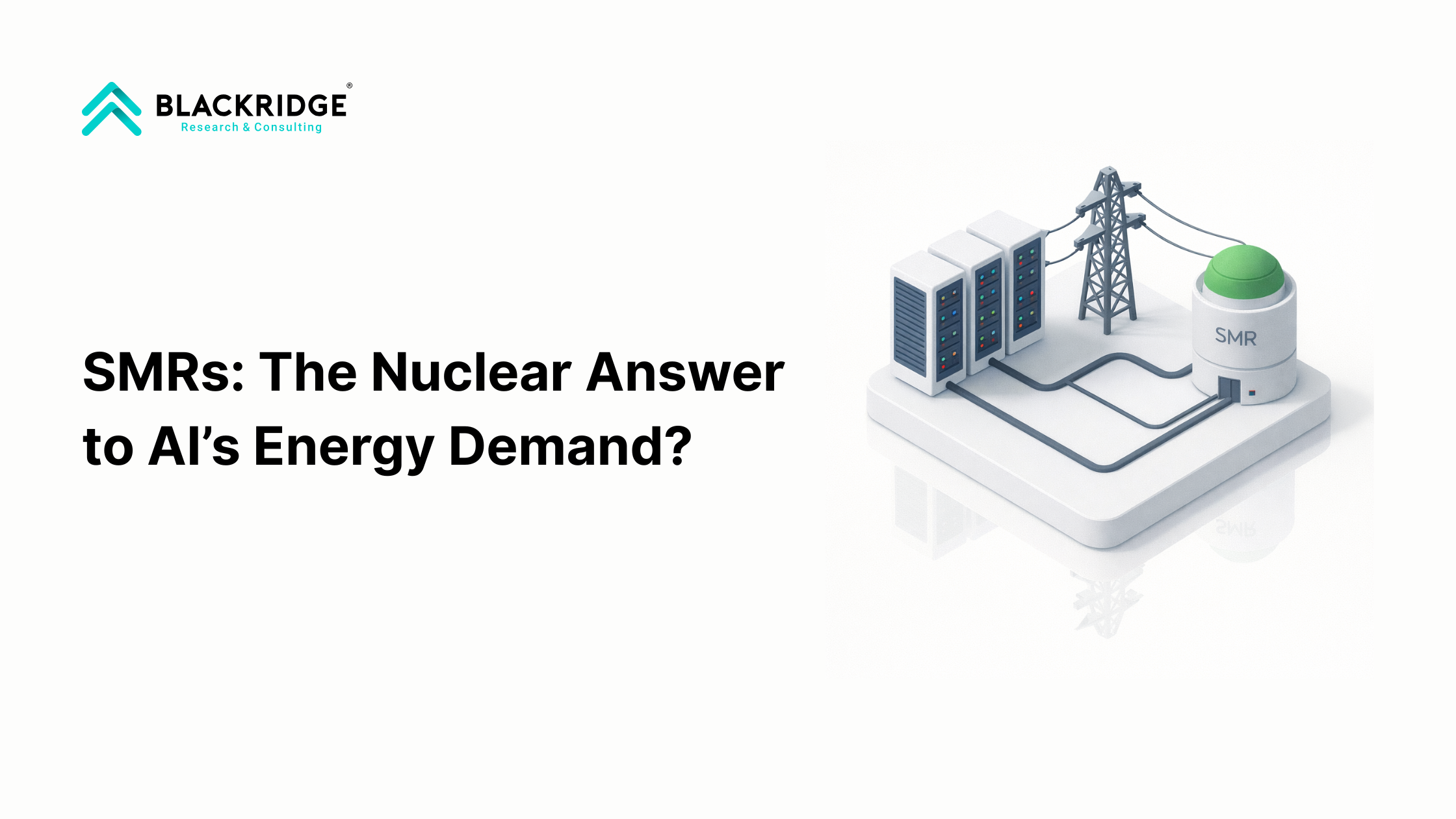
Small Modular Reactors (SMRs) are emerging as a potential solution to meet the rapidly rising electricity demand of AI-driven data centers by providing reliable, low-carbon baseload power.
While they are unlikely to replace traditional grids, SMRs could complement existing infrastructure where capacity constraints and energy security concerns are growing.
The AI Revolution and Rising Electricity Demand
The rapid growth in electricity demand is reshaping the concept of energy sovereignty. Modern data centers have become one of the fastest-growing sources of electricity demand, making reliable power a high priority for governments and technology companies.
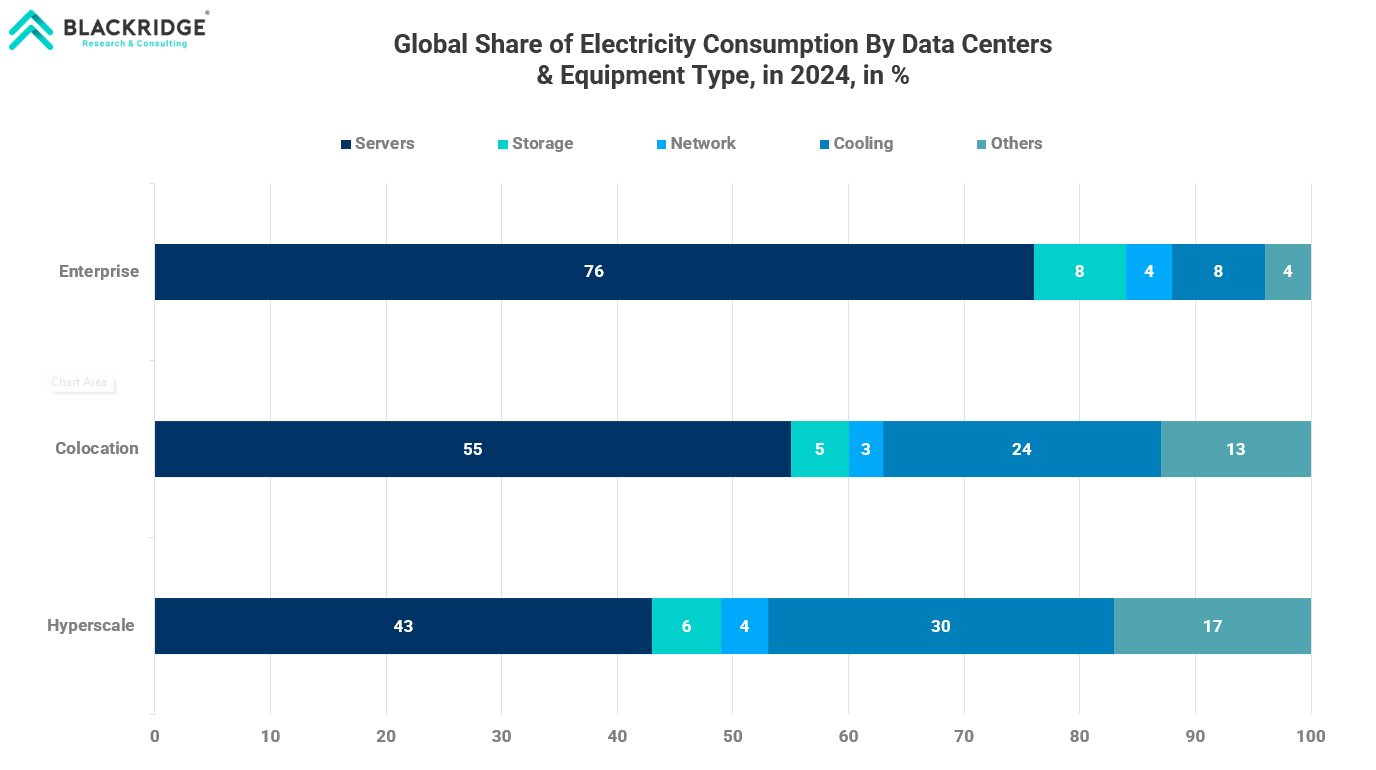
The global data center market consumed approximately 415 TWh of electricity in 2024, representing about 1.5% of global electricity demand. This demand is expected to more than double to around 945 TWh by 2030.
A typical AI-focused data center consumes electricity comparable to about 100,000 households, and the largest AI data centers currently under development may consume up to 20 times that amount.
The Bigger Energy Picture
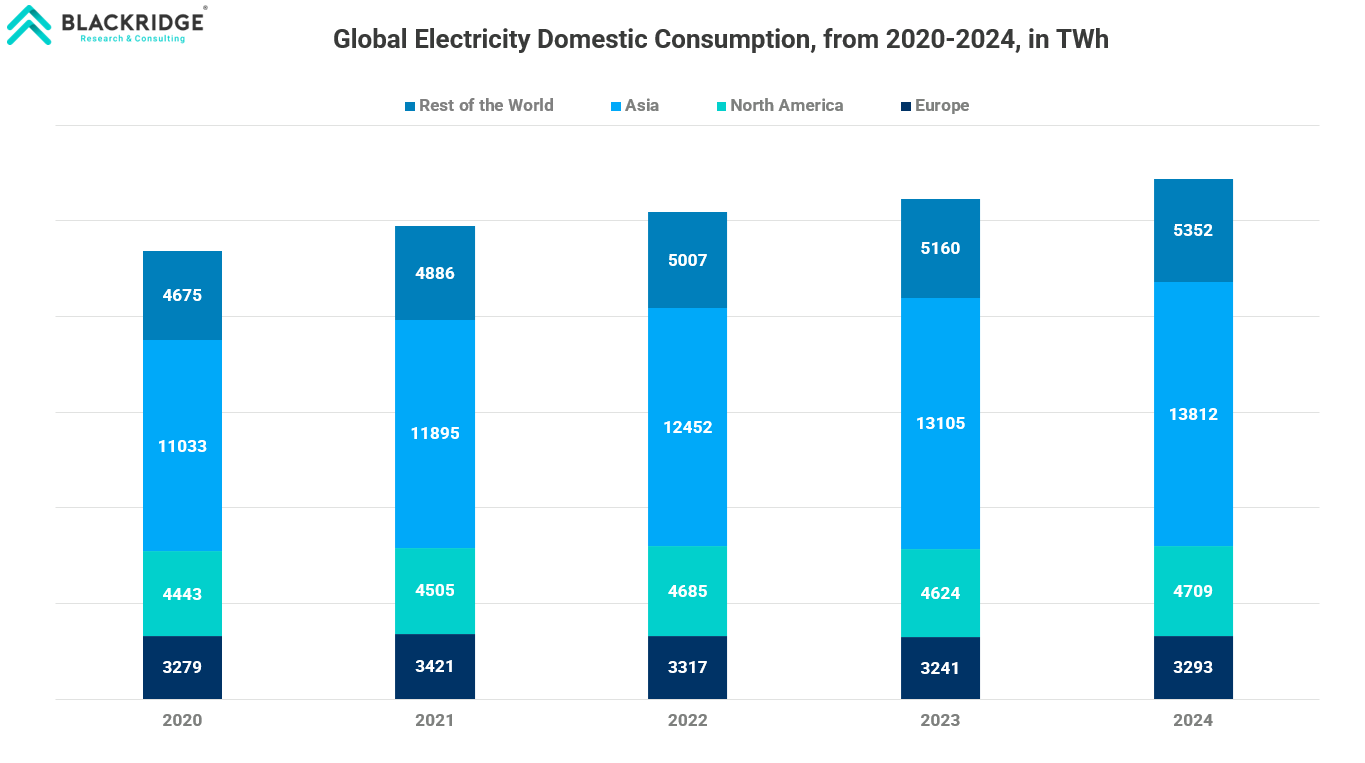
This surge in data center power use is not occurring in isolation. It coincides with a broader global move toward electrification, with total electricity demand projected to rise by 3.6% annually between 2026 and 2030, adding around 1,100 TWh each year.
Electricity demand is expected to reach about 33,600 TWh by 2030, up from approximately 28,200 TWh in 2025, reflecting the growing role of electricity in industry, transport, buildings, and digital infrastructure.
Additionally, the US electricity prices on average across all sectors rose from 12.36 cents/kWh in 2022 to 13.43 cents/ kWh in 2025, mainly driven by increased demand from data centers and higher natural gas prices.
Energy Sovereignty and Strategic Concerns
This surge in electricity demand is also elevating energy security as a strategic priority. Governments and technology companies are increasingly seeking secure and independent power supplies to reduce exposure to grid congestion, price volatility, and supply disruptions.
As digital infrastructure becomes strategically important for economic competitiveness and national security, reliable and controllable electricity sources are becoming a critical priority.
Moreover, the rapid expansion of data centres has triggered a significant global backlash as residents, activists, and environmental organisations voice concerns over energy security, water depletion, and a lack of corporate transparency.
For instance, a coalition of over 230 environmental groups in the United States, including Greenpeace and Friends of the Earth, has demanded a national moratorium on new data centre construction, blaming them for escalating electricity bills and worsening the climate crisis.
Trusted by Leading Manufacturers & EPCs
Find The Latest Data Center Projects Around The World
Gain exclusive access to our industry-leading database of Data Center Projects opportunities with detailed project timelines & stakeholder information.
No credit card Up-to-date coverage
Traditional Grids
The Continuing Role of the Electricity Grid
The electricity grid remains the primary source of power for data centers. The large grid enables data center companies to benefit from a variety of sources of electricity and scale up their capacity quickly.
Renewables and natural gas will drive most of the electricity required to support the growth of data centers through 2030, in addition to storage and transmission infrastructure expansion.
Meeting future electricity demand will require significant investment in grid infrastructure. The annual global investment in the grid must grow by 50% from the current level of approximately USD 400 billion per year by 2030.
Grid Bottlenecks and Infrastructure Constraints
In some regions, grid infrastructure has become a major constraint on AI-driven data center expansion due to a mismatch in development timelines. While a new data center can be erected and put into operation within one to three years, the development of new grid infrastructure takes anywhere between 5 and 15 years.
Connection Queues for New Data Centers
Country/Regions | Average time in queue |
United States | 1-3 years |
Germany | Up to 7years |
United Kingdom | 5-7 years |
Netherlands | Up to 10 years |
Kanto (Japan) | More than 5 years |
Malaysia | Under 3 years |
Queensland (Australia) | More than 2 years |
Italy | Under 3 years |
Spain | 3-5 years |
Ireland | In Dublin, paused until 2030 |
This mismatch has led to a record number of connection queues, with over 2,500 GW of projects, including renewables, storage, and large loads such as data centers, awaiting grid connection worldwide as of 2026.
Unless this situation is remedied, some estimates suggest that up to 20% of planned data center projects could face delays because of limitations in the electricity infrastructure.
Additionally, the supply chain for grid infrastructure is under immense pressure, with power transformer prices increasing by roughly 50% since 2020, and order backlogs rising by more than 30% in 2024.
This rapid increase in electricity demand is placing unprecedented strain on existing grid infrastructure, prompting technology companies to explore alternative power solutions.
Small Modular Reactors (SMRs)
What are SMRs?
Small Modular Reactors (SMRs) are advanced, factory-built nuclear reactors with a power capacity typically up to 300 MW(e), offering a smaller footprint and lower construction cost than conventional reactors.
They feature modular components that can be transported to a site and assembled, providing enhanced safety through passive systems and greater flexibility for energy, heat, and desalination applications.
Why SMRs Are Gaining Attention
To overcome these systemic grid delays and provide an uninterrupted power supply, leading technology companies are now turning to Small Modular Reactors (SMRs) and other on-site power solutions.
In addition, the SMRs are also being increasingly considered as a long-term solution for powering hyperscale data centers. SMRs are advanced nuclear reactors designed to produce smaller amounts of electricity than conventional large reactors.
While traditional reactors have the capacity to produce more than 1,000 megawatts of electricity, SMRs typically produce up to about 300 MW per module, although some advanced designs aim for slightly higher capacities.
At the same time, there are more than 50 different SMR designs being developed globally, including water-cooled reactors, high-temperature gas reactors, molten salt reactors, and microreactors for use in remote or special applications.
The Investment Momentum Behind SMRs
For governments, the issue goes beyond electricity demand. Data centers now underpin vital sectors such as finance, communications, and national security, making a reliable and stable power supply a matter of strategic importance.
Energy independence is one of the key factors that has sparked interest in SMRs. Nations and corporations are seeking ways to decrease their reliance on the global energy market and its vulnerable transmission infrastructure. This strategic interest is already translating into concrete industrial initiatives.
As of early 2026, technology companies have announced preliminary plans and agreements for more than 25 GW of potential SMR capacity globally. In addition, electricity demand for data centers is projected to surpass 1,000 TWh by 2030, and nuclear power is expected to play a larger role toward the end of the decade as new reactors come online.
For instance, British aviation company Rolls-Royce has significant plans for nuclear power, along with other major energy projects in Europe. As of 2026, they have been selected as the preferred bidder for the small modular reactors in the UK, backed by USD 3.3 billion of public investment.
Challenges Facing SMRs
Despite the benefits offered by SMRs, they are still a relatively new technology with uncertain economics. This is because factory-based manufacturing is expected to make them cheaper, but commercialization on a large scale has not yet been achieved.
Licensing hurdles and public acceptance are the most important considerations, especially in the case of reactors that are close to technology hubs. Numerous designs for next-generation reactors are currently in the works, but only the Westinghouse AP-1000 has been built thus far. Licensing, demonstrating, and deploying additional reactors will take years.
The United States is working to secure a domestic supply of uranium fuel to power the reactors of the future, particularly high-assay low-enriched uranium (HALEU), which is required for many advanced reactor designs.
SMRs are confronted with safety issues concerning regulatory approval, since the current nuclear regulatory licensing infrastructure was developed for large reactors and needs to be adjusted for the modular installation of reactors in close proximity to populated or industrial regions.
While many SMR designs incorporate passive safety features, first-of-a-kind reactors must be tested in real-world conditions to prove their reliability in extreme conditions.
Nuclear waste management, fuel cycle management, and emergency planning are still major safety and public acceptance issues.
Conclusion
Electricity grids will remain central to powering data centers, which will continue to be paramount because of the economies of scale, flexibility, and diversity of energy sources that they offer. In the short term, the most sustainable long-term pathway to meet the rapidly growing demand for electricity is the expansion and upgrading of the grid infrastructure.
However, the growing number of connection delays, infrastructure bottlenecks, and increasing power demands are also driving the search for alternative energy solutions.
Small Modular Reactors (SMRs) may offer a future complement to the grid in the provision of reliable, low-carbon, and baseload electricity that can be located near large data centers.
Dedicated power sources such as SMRs may enhance energy security, price stability, and reliability in areas where grid capacity is constrained or uncertain.
The most viable future solution will probably be a balanced approach that combines the expansion of grid infrastructure with the strategic use of dedicated power solutions such as SMRs to meet the increasing energy demands of digital infrastructure.
Find the Latest Data Center Facility Projects Around the World with Ease
Are you seeking reliable and up-to-date insights into data center projects worldwide?
Explore the Global Project Tracking (GPT) platform by Blackridge Research, your go-to resource for the latest data center projects and tenders across all stages:
Upcoming Projects
Tender Notices
Contract Awards
Projects Under Construction
Completed Projects
Book a Free Demo today and see how the GPT platform can help you unlock opportunities and achieve your business goals.
Leave a Comment
We love hearing from our readers and value your feedback. If you have any questions or comments about our content, feel free to leave a comment below.
We read every comment and do our best to respond to them all.