


Data center development has entered a historic growth phase, supported by AI adoption, cloud expansion, and global digital infrastructure needs. In 2024 alone, the four largest hyperscale data center companies, Amazon, Microsoft, Google, and Meta, spent close to USD 228 billion, a 55% jump from the previous year. Investments are accelerating even faster in 2025, with a combined USD 320 billion already planned.
The largest data center companies in the world, including AWS, Microsoft Azure, Google, Oracle Cloud, Digital Realty, Equinix, NTT Global Data Centers, GDS Holdings, Alibaba Cloud, and QTS Data Centers, are reshaping markets, driving more construction activity, and pushing global IT capacity to new highs.
The article explores the top 10 largest data center companies in the world, their scale, strategy, and market influence, major acquisitions, and multi-billion-dollar equity deals shaping the future of global digital infrastructure.
List of Top 10 Largest Data Center Companies in the World
Rank | Company Name | Headquarters | Type of service | Number of Data Centers (estimated) | CEO |
1 | Amazon Web Services (AWS) | Washington, USA | Cloud | 900 | Matt Garman |
2 | Microsoft Azure | Washington, USA | Cloud | 400 | Satya Nadella |
3 | Digital Realty | Texas, USA | Wholesale | 300 | Andrew Power |
4 | Equinix | California, USA | Retail | 270 | Adaire Fox-Martin |
5 | NTT Global Data Centers | Tokyo, Japan | Wholesale | 160 | Doug Adams |
6 | Google Cloud Platform (GCP) | California, USA | Cloud | 119 | Thomas Kurian |
7 | GDS Holdings | Shanghai, China | Wholesale | 96 | William Wei Huang |
8 | Alibaba Cloud | Hangzhou, China | Cloud | 89 | Eddie Wu |
9 | QTS Data Centers | Kansas, USA | Hybrid | 75 | David Robey |
10 | Oracle Cloud | Texas, USA | Cloud | 66 | Clay Magouyrk |
40+ reviews
Find the Latest Data Center Facility Projects Around the World
Gain exclusive access to our industry-leading database of data center opportunities with detailed project timelines and stakeholder information.
Collect Your Free Leads Here!
No credit cardUp-to-date coverage
Joined by 750+ industry professionals last month
Amazon Web Services (AWS)
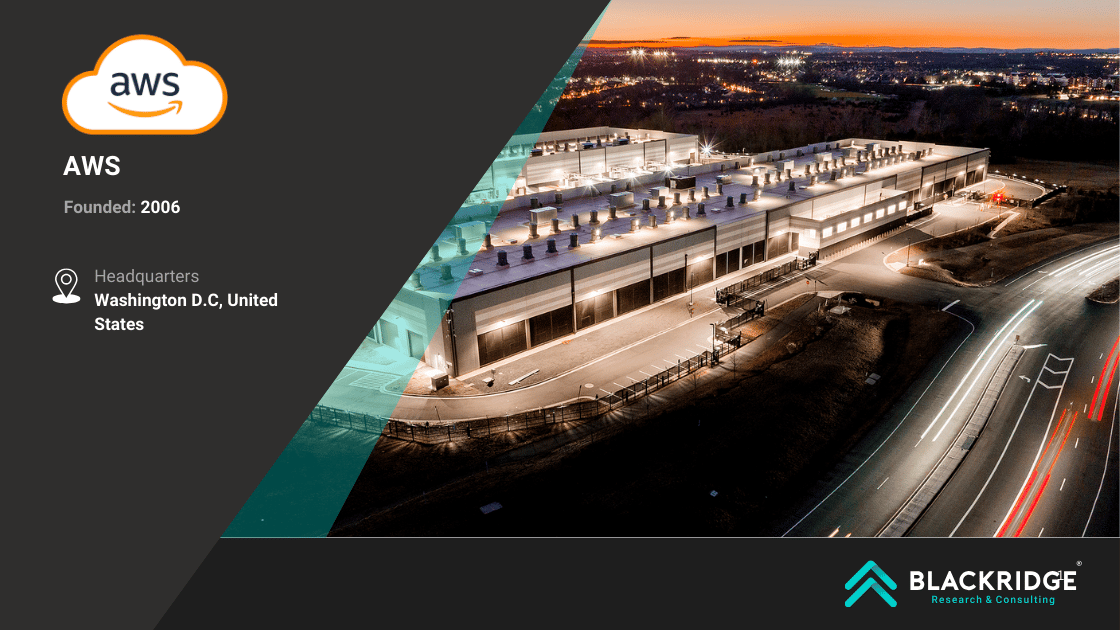
AWS operates the world’s largest data center footprint, running more than 900 facilities across more than 50 countries. The company supports its scale through a multilayer security model that protects every part of its infrastructure, from the perimeter to the environment surrounding each site.
Each data center relies on controlled access, intrusion detection, backup power systems, and fire suppression tools to keep operations running. AWS also maintains dedicated environmental planning to reduce risk from floods, extreme weather, and seismic activity.
Its global infrastructure spans 120 Availability Zones across 38 Regions, supported by millions of kilometers of fiber and hundreds of edge locations that reduce latency. The network powers high-performance workloads and continues to expand through new regions and energy projects, including nuclear partnerships designed to support future growth.
In December 2025, AWS launched a new AWS AI Factory that brings AI infrastructure, including Nvidia GPUs, Trainium chips, and AWS networking, storage, and databases to customers’ data centers. AWS drives innovation in its data centers through custom AI silicon and large-scale deployments of AI chips that extend AI infrastructure into customer environments.
Microsoft Azure

Microsoft runs one of the largest data center operations in the world, supporting more than 70 regions and over 400 facilities. Its network spans more than 600,000 kilometers and connects to more than 190 points of presence, giving Azure a broad reach for global workloads.
The company guarantees high availability through its service level commitments and continues to invest heavily in infrastructure to meet rising demand. This includes a USD 80 billion plan to expand AI-ready data centers across multiple continents.
Azure’s growth centers on specialized facilities for AI training, sustainable cooling systems, and modular hardware designs that accelerate deployment. Microsoft develops its own cloud CPUs, scales supercomputing clusters, and incorporates energy-efficient methods like liquid immersion and heat reuse.
In November 2025, Microsoft announced a new data center under construction in Atlanta, Georgia, connected to another in Wisconsin to form a “massive supercomputer” running on hundreds of thousands of Nvidia chips to power AI technology. The company also expands into new regions to support data residency needs and strengthen local capacity.
Digital Realty
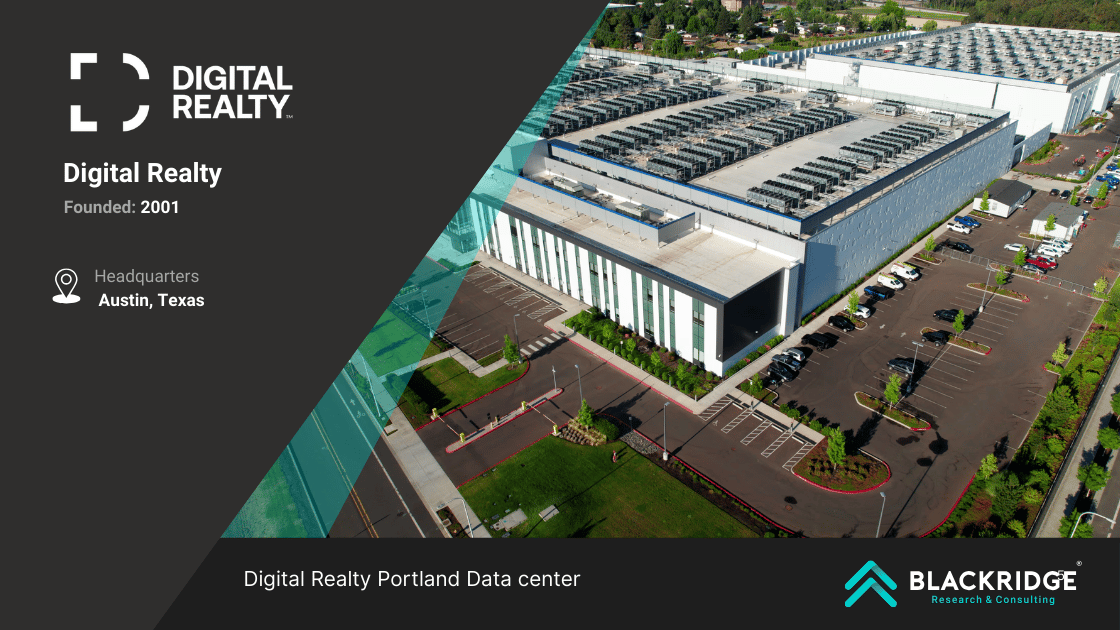
Digital Realty operates one of the largest global colocation platforms, running more than 300 data centers across over 50 metropolitan areas. Its facilities support a wide range of needs, from single racks to high-density AI deployments, and maintain a long record of near-perfect uptime.
PlatformDIGITAL gives customers scalable colocation and secure interconnection that help speed deployments and reduce operational risk. The company serves more than 5,000 customers, including hundreds of Fortune 500 firms, and provides access to more than 500 cloud platforms.
Digital Realty continues to expand its footprint across six continents, focusing on major cloud and enterprise hubs in Asia-Pacific, the Americas, and Europe. It builds large campuses designed for hybrid IT and AI workloads, pairing flexible colocation with sustainable practices like waste heat reuse.
Equinix
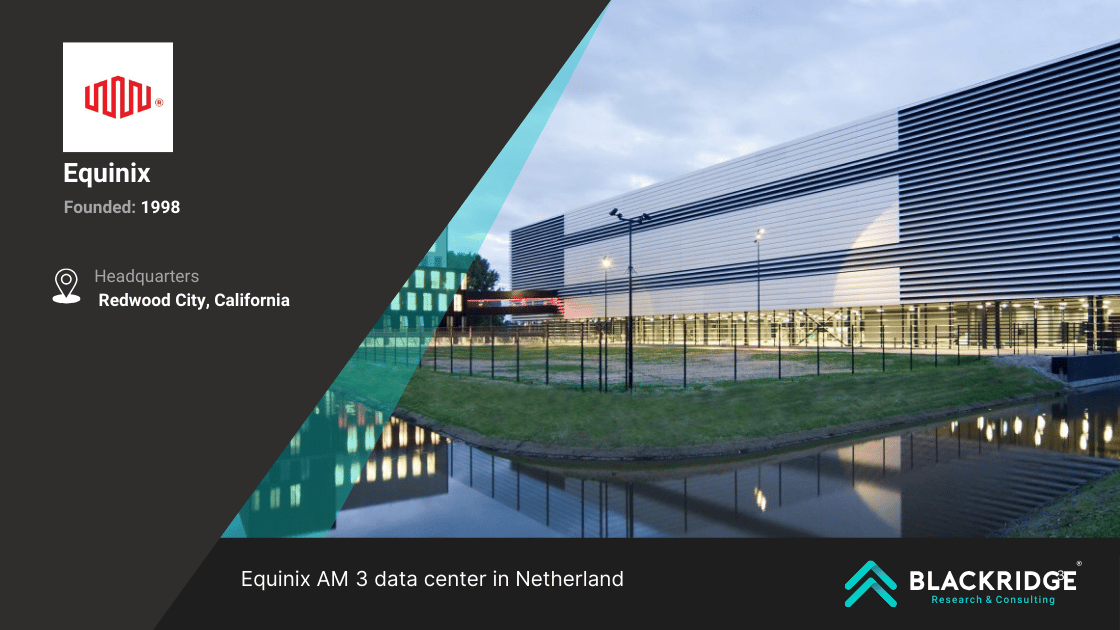
Equinix runs more than 270 data centers across 75 metros, creating one of the most connected digital infrastructure platforms in the world. Its facilities support more than 10,000 customers and deliver consistent uptime backed by advanced security controls, N+1 power protection, and multicomponent cooling systems.
The company enables instant access to more than 3,000 cloud and IT services and 2,000 networks through Equinix Fabric. This ecosystem provides businesses with low-latency connectivity to cloud, AI, and enterprise partners across major global hubs.
Equinix advances its platform through sustainability, regional expansion, and new AI-focused builds. All EMEA sites run on 100 percent renewable energy, and the company continues to add certified, energy-efficient facilities across key markets. In late 2025, it opened an AI-ready data center in Chennai and committed more than five billion dollars to new AI campuses in the London region.
NTT Global Data Centers
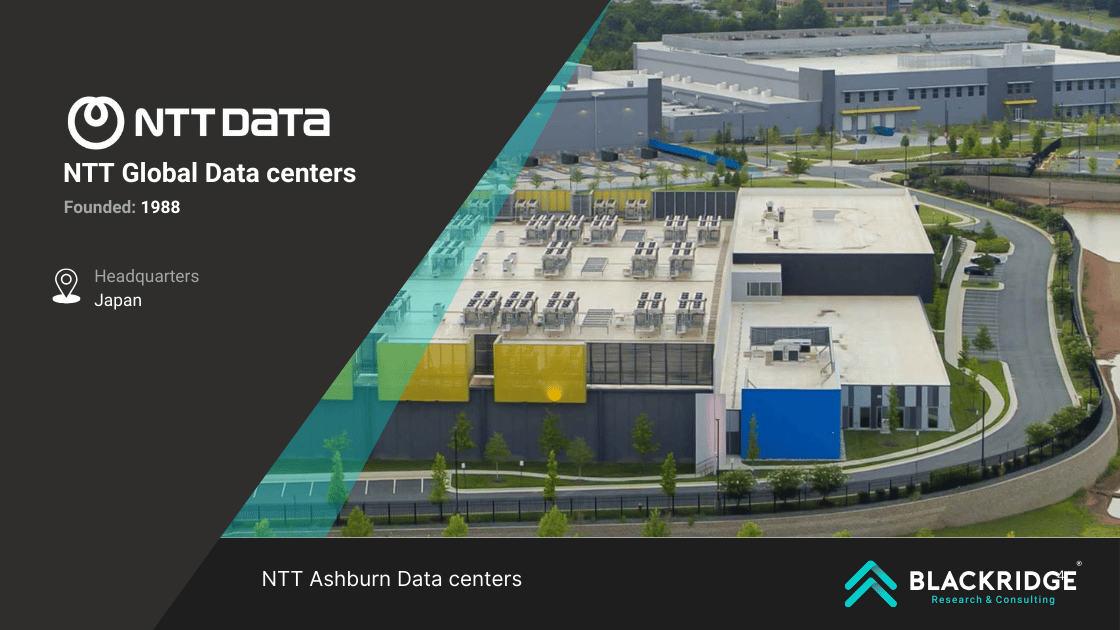
NTT Global Data Centers operates more than 160 facilities across over 20 countries, making it one of the largest data center providers in the world. Its platform supports more than 2,000 megawatts of critical IT load and connects to NTT’s Tier 1 global network, which spans 125,000 kilometers of undersea cable and reaches more than 190 countries.
The company runs a carrier-neutral ecosystem that links customers to major networks, IXPs, and cloud exchanges for flexible interconnection. Its facilities include advanced engineering features, such as seismic dampers for earthquake resilience and alternative cooling systems, such as liquid immersion and direct contact cooling.
NTT continues to expand its global footprint to support the growth in hyperscale and AI demand. In the past year, it opened 10 new facilities across North America, EMEA, and APAC, adding more than 370 megawatts of capacity.
The company also signed agreements with major cloud providers for more than 130 megawatts of hyperscale capacity in key U.S. markets, including Chicago, Dallas, Phoenix, and Virginia. Its newest Bengaluru campus spans three buildings and is planned to provide 100 megawatts, making it a leading operator in AI, cloud, and digital infrastructure growth.
Google Cloud Platform (GCP)
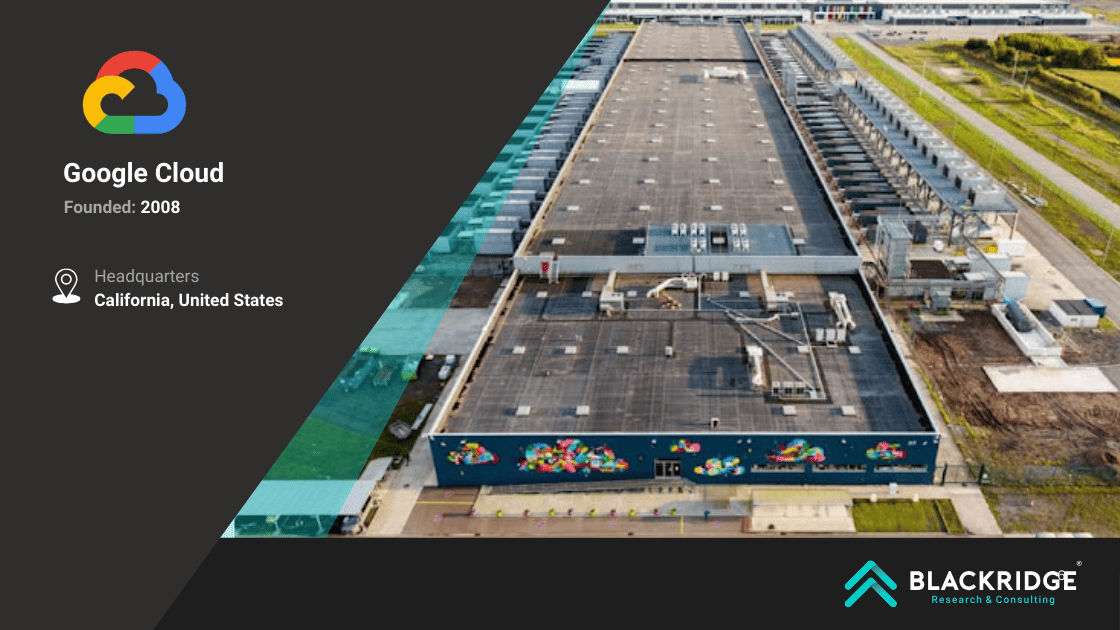
Google operates a global cloud network built around 42 regions, 127 zones, and more than 200 edge locations, giving businesses broad reach and low-latency access. Its infrastructure connects more than 200 countries through 7.75 million kilometers of terrestrial and subsea fiber, supporting high-bandwidth workloads and advanced AI training.
The company scales this network through a multi-shard architecture that expands WAN capacity sevenfold between 2020 and 2025. Google also invests heavily in new regions, adding sites in Berlin, Doha, Dammam, and Johannesburg to bring applications closer to users.
Google manages its network using agentic AI to predict outages, diagnose issues, and improve resilience. This approach reduces remediation times from hours to minutes and lowers outage duration by more than ninety percent. The company continues to commit billions to cloud infrastructure and renewable energy to support long-term growth. Its investment positions Google Cloud as a strong global operator for AI, analytics, and enterprise workloads.
GDS Holdings
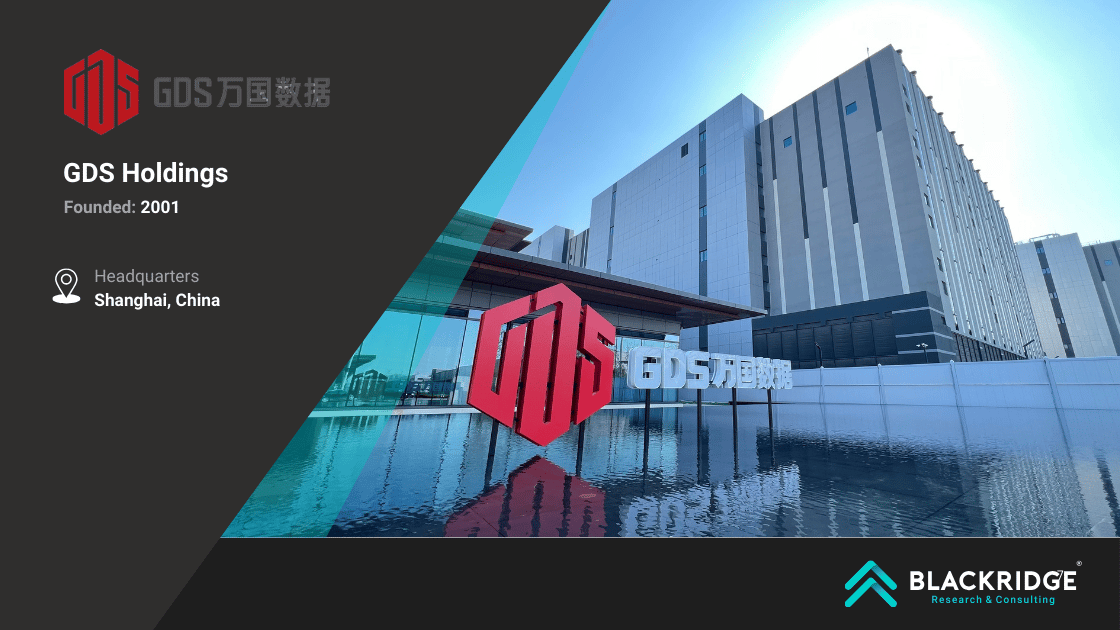
GDS Holdings is a major developer and operator of high-performance data centers in China, focusing on large floor plates, high power density, and strong redundancy across core systems. Its facilities are carrier- and cloud-neutral, giving customers flexible interconnection to major telecom networks and public cloud platforms.
The company serves hyperscalers, major internet firms, financial institutions, and enterprises that require high-spec infrastructure in China’s primary economic hubs. Its data centers follow a Tier III+ design that delivers higher density and efficiency than the national average.
GDS is also expanding internationally through DayOne Data Centers, where it holds a significant equity stake. DayOne operates and develops capacity across Singapore, Malaysia, Indonesia, Thailand, Hong Kong, and Japan, with a portfolio of roughly 480 megawatts in service or under construction and another 590 megawatts planned.
The business raised about 1.9 billion dollars across two equity rounds, funding a build-out that could reach one gigawatt. GDS also pursued a multibillion-dollar loan in 2025 to support its Malaysia campus, pushing to scale beyond China.
Alibaba Cloud
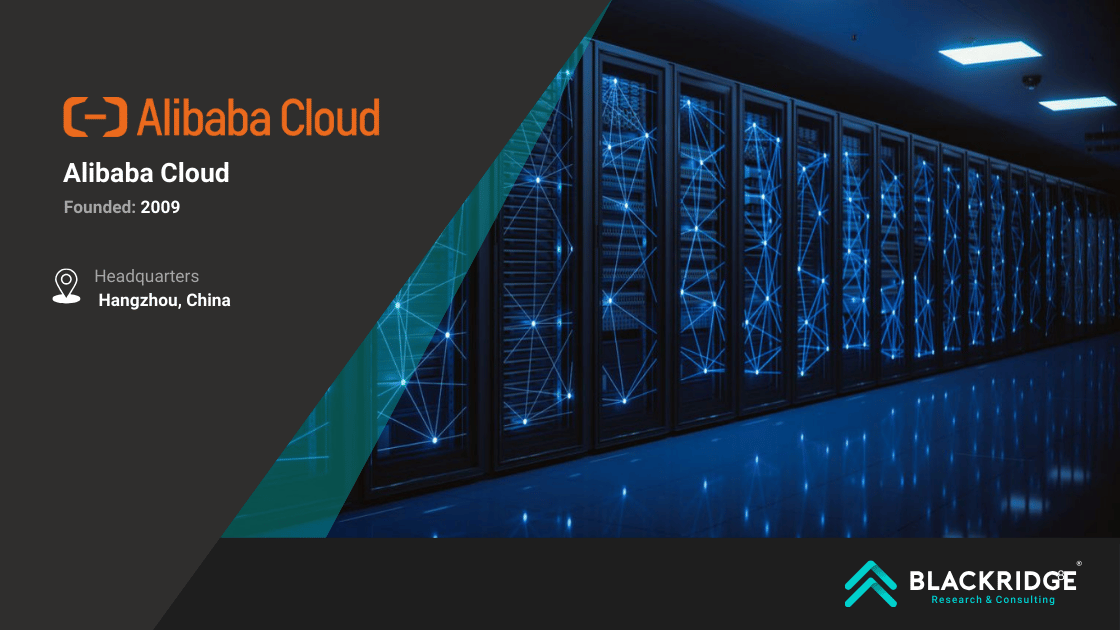
Alibaba Cloud operates 89 data centers across 30 regions in 15 countries, supporting the rapid growth of Alibaba’s digital businesses and global customer base. Its regions include as many as 12 zones, each built with independent power, cooling, and network systems to improve fault tolerance and availability.
The company maintains a strong presence in China, with 15 regions and 59 zones, while expanding across the Asia-Pacific, Europe, the United States, and the Middle East. New facilities in Malaysia, the Philippines, and Dubai reflect rising demand for cloud and AI services.
Alibaba Cloud builds and runs its infrastructure on proprietary technology designed for scale and efficiency. Its Apsara distributed computing platform, Shenlong virtualization layer, and the Yitian 710 ARM-based processors that help optimize performance and reduce energy use.
The global network connects major hubs such as Sydney, Mumbai, Singapore, Frankfurt, and Virginia, giving enterprises a broad deployment reach. This combination of geographic breadth and in-house engineering positions Alibaba Cloud as a significant global data center operator.
QTS Data Centers
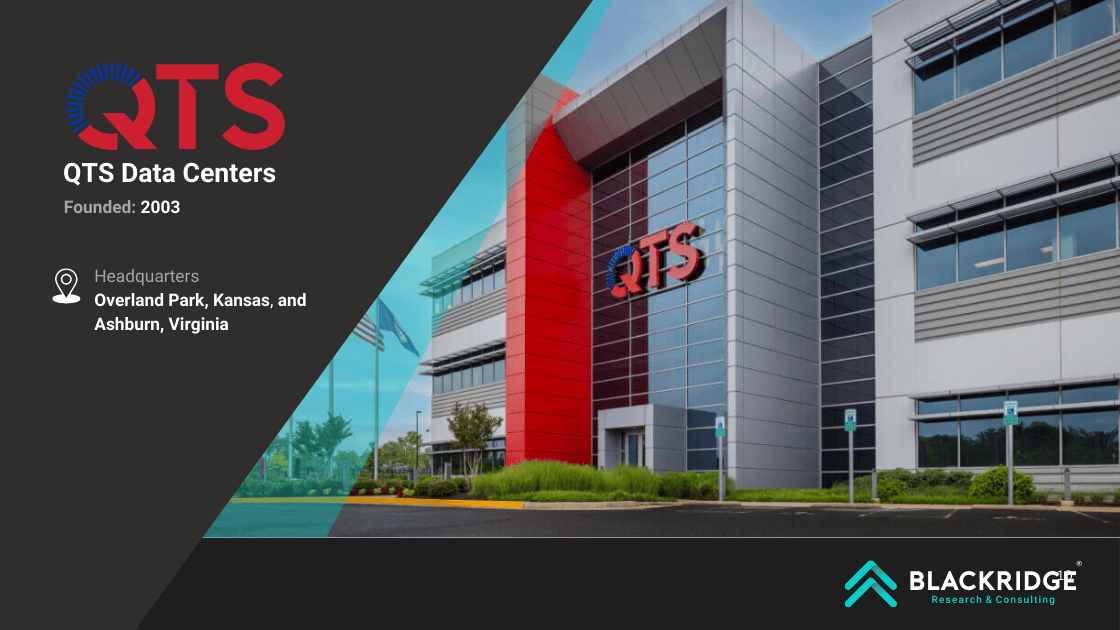
QTS Data Centers operates more than 75 facilities across North America and Europe, supporting enterprises that need secure, reliable, and scalable digital infrastructure. Its portfolio spans colocation, cloud, and managed hosting, hybrid IT integration, and disaster recovery services.
The company manages three gigawatts of contracted critical power and continues to expand through new state-of-the-art sites. QTS maintains strong operational maturity built over two decades and employs more than 1,800 people.
QTS invests heavily in sustainable design, focusing on energy and water efficiency and broader grid decarbonization. Its developments include multi-billion-dollar campuses planned in Wisconsin and Georgia to meet fast-growing demand. The platform helps customers blend on-premises, private cloud, and public cloud environments while maintaining strict security and consistent performance.
Oracle Cloud
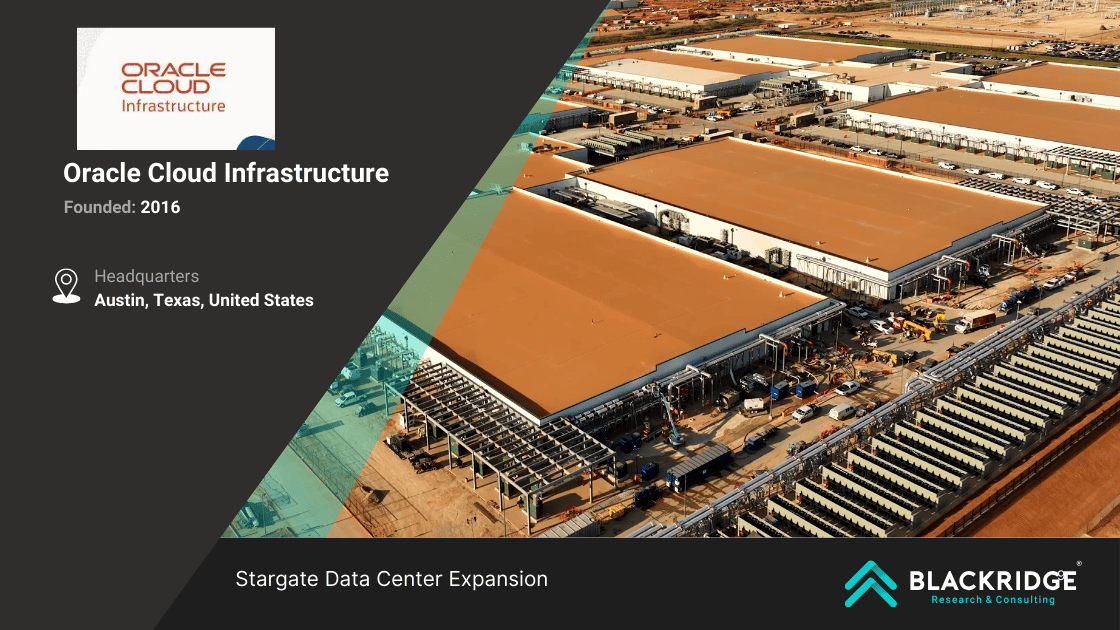
Oracle Cloud operates 51 public cloud regions across 26 countries, giving customers a consistent set of more than 150 infrastructure services wherever they deploy. Its interconnected commercial and government regions support multicloud strategies through direct links to Microsoft Azure and Google Cloud.
The company runs 23 multicloud data centers and plans to add 47 more, driving strong revenue growth as demand for AI and cloud workloads rises. Recent expansions include a second cloud region in Italy to meet local data privacy requirements, support sovereign AI, and enable low-latency access.
Oracle is scaling its data center footprint to support massive AI initiatives. The company is securing up to 5 gigawatts of capacity for OpenAI workloads and has signed a USD 30 billion agreement to provide 4.5 gigawatts as part of the Stargate project.
The broader initiative aims to build large AI data centers across the United States, with support from partners including SoftBank. Oracle also committed five billion dollars to expand its UK cloud infrastructure, reinforcing its position as a major global operator for enterprise and AI-driven workloads.
Conclusion
The world's biggest data center companies, including AWS, Microsoft Azure, Google, Oracle Cloud, and Digital Realty, operate at the center of a market undergoing rapid and sustained expansion. Cloud occupiers accounted for 40% of leasing activity in 2024, reflecting the scale at which hyperscalers continue to absorb capacity.
M&A momentum is equally strong, highlighted by transactions such as Blackstone’s USD 16 billion AirTrunk acquisition and Vantage’s USD 9.2 billion equity investment. Geographic hotspots are multiplying as well, with the U.S. leading 2024 investment at USD 14.6 billion, followed by Australia, Japan, the Netherlands, and Singapore.
Looking ahead, the data center outlook remains solid. Global live IT capacity is projected to rise from 45,676 MW in 2024 to 66,504 MW by 2026, with long-term potential for 177% growth by 2030. More than 35 GW of new supply is scheduled to come online within the next three years.
The data center sector is positioned for sustained, transformational growth with USD 32 billion in deals already agreed and advancing into 2025, and hyperscalers collectively preparing for another record year of capital expenditure.
Find the Latest Data Center Facility Projects Around the World with Ease
Are you seeking reliable and up-to-date insights into data center projects worldwide?
Explore the Global Project Tracking (GPT) platform by Blackridge Research, your go-to resource for the latest data center projects and tenders across all stages:
Upcoming Projects
Tender Notices
Contract Awards
Projects Under Construction
Completed Projects
Book a Free Demo today and see how the GPT platform can help you unlock opportunities and achieve your business goals.

Leave a Comment
We love hearing from our readers and value your feedback. If you have any questions or comments about our content, feel free to leave a comment below.
We read every comment and do our best to respond to them all.