


Architects are one of the most important professionals in the construction industry who contribute to the success of complex construction projects. They play a vital role in the design and planning of construction projects, ensuring that the project meets safety standards and building codes.
The purpose of this blog post is to highlight the significance of architects in construction projects. We will explore the various aspects of their job and the value they bring to a construction project. We will also discuss how architects work with other professionals, such as engineers and contractors, to ensure project success.
Role of Architecture in Construction Projects
Architecture is a crucial element of any construction project. It encompasses various aspects such as building design, materials, and structural integrity. Architects are responsible for creating designs that meet the client's needs and incorporate the necessary elements required for a successful construction project. Their expertise in architectural design is critical in ensuring that the project meets the highest standards of quality and functionality.
Who are Architects?
Architects are professionals who design buildings and other physical structures. They are responsible for the planning, designing, and overseeing of construction projects. Architects work on projects ranging from individual houses to large commercial buildings, and they use their creativity, technical knowledge, and problem-solving skills to ensure that their designs are both functional and aesthetically pleasing. Apart from designing, they also play a crucial role in construction management.
Architects typically begin a project by meeting with clients to discuss their needs and vision for the project. They then create designs and plans that meet the client's requirements while also adhering to building codes and regulations. Architects work closely with other professionals, such as engineers and contractors, to ensure that the project is completed on time, within budget, and to the client's satisfaction.
Architects are also responsible for ensuring that their designs are environmentally sustainable and energy-efficient. They consider factors such as the building's orientation, materials used, and energy systems to minimize the project's environmental impact and reduce operating costs for the building's occupants.
In many countries, architects are required to have a professional degree in architecture and be licensed to practice. They may also choose to specialize in specific types of buildings or projects, such as residential or commercial architecture, sustainable design, or historic preservation.
Types of Architects in the Construction Industry
There are several different types of architects in the construction industry who play specialized roles in construction projects. Here are some of the most common types of architects:
- Residential Architects: Residential architects specialize in designing and planning homes, apartments, and other residential structures. They work closely with homeowners to understand their needs and preferences, and then design a building that meets those needs while adhering to local building codes and regulations.
- Commercial Architects: Commercial architects specialize in designing and planning buildings for commercial use, such as office buildings, retail spaces, and industrial facilities. They work closely with business owners to understand their needs and design a building that meets those needs while also being functional and aesthetically pleasing.
- Landscape Architects: Landscape architects specialize in designing outdoor spaces such as parks, gardens, and other public areas. They use their knowledge of plants, materials, and environmental factors to create functional and attractive outdoor spaces.
- Interior Architects: Interior architects specialize in designing the interior spaces of buildings, such as offices, homes, and retail spaces. They work closely with clients to understand their needs and preferences, and then create a design that meets those needs while also being functional and aesthetically pleasing.
- Sustainable Architects: Sustainable architects specialize in designing buildings that are environmentally friendly and sustainable. They use materials and techniques that minimize the building's impact on the environment, such as using renewable energy sources and materials that can be recycled.
- Restoration Architects: Restoration architects specialize in restoring and preserving historic buildings. They work closely with local historical societies and building preservation groups to ensure that the building's historical significance is maintained while also making necessary updates to meet modern building codes and regulations.
- Structural Architects: Structural architects specialize in designing and planning the structural components of buildings. They work closely with engineers to ensure that the building's structure can withstand the necessary loads and stresses.
Role of Architects in the Construction Industry
Architects play a vital role in construction projects. They are responsible for creating a design that meets the client's needs while also ensuring that the building is safe and meets all building codes. Architects work with structural engineers and civil engineers to ensure that the building is structurally sound and can withstand the stresses of everyday use.
In addition to creating the design, architects are also responsible for managing the construction documents. They work with construction managers to ensure that all aspects of the project are completed on time and within budget. They also oversee the construction process to ensure that the building is constructed according to the plans and specifications.
Planning and Design Phase
Architects play a significant role in the planning and design phase of a project. They work with the client to understand their needs and develop a design that meets their requirements. Architects use their expertise in building design, materials, and structure to create a design that is functional, aesthetically pleasing, and sustainable.
Safety and Building Codes
Architects are responsible for ensuring that the project meets safety and building codes. They work with the client and the relevant authorities to understand the codes and regulations that apply to the project. Architects ensure that the project design complies with these codes and regulations to ensure the safety of the occupants and the longevity of the building.
Managing Project Budget and Timeline
Architects are responsible for managing the project budget and timeline. They work with the client to understand their budget constraints and ensure that the project is designed within the available budget. Architects also work with contractors to ensure that the project is completed within the specified timeline.
Collaboration with Other Professionals
Architects work closely with other construction engineers and professionals such as civil engineering professionals, mechanical engineers, and general contractors to ensure project success. They collaborate with structural engineers to ensure that the building design meets the necessary structural requirements. Architects work with civil engineers to ensure that the infrastructure projects such as roads, bridges, and water supply systems are integrated into the design. They also work with contractors to ensure that the construction process is executed according to the design plans and specifications.
Track Latest Construction Projects Across the Globe Unlock the Next Big Project!
Examples of Architects Contributing to Construction Projects
There are numerous examples of well-known construction projects that were successful due to the involvement of architects. Here are some examples:
The Sydney Opera House, Australia

Designed by Danish architect Jørn Utzon, the Sydney Opera House is an iconic structure known for its unique design. The project was challenging, with complex engineering requirements, and required Utzon's skills in designing the structure's curved shapes. His use of concrete and ceramic tiles not only created an impressive visual effect but also helped to reduce the building's weight.
The Burj Khalifa, Dubai

Designed by American architect Adrian Smith, the Burj Khalifa is the tallest building in the world. The project required a high level of technical expertise to overcome the challenges of designing such a tall structure. Smith's use of building materials such as reinforced concrete, steel, and glass helped to create a durable and sustainable building.
The Guggenheim Museum, Spain
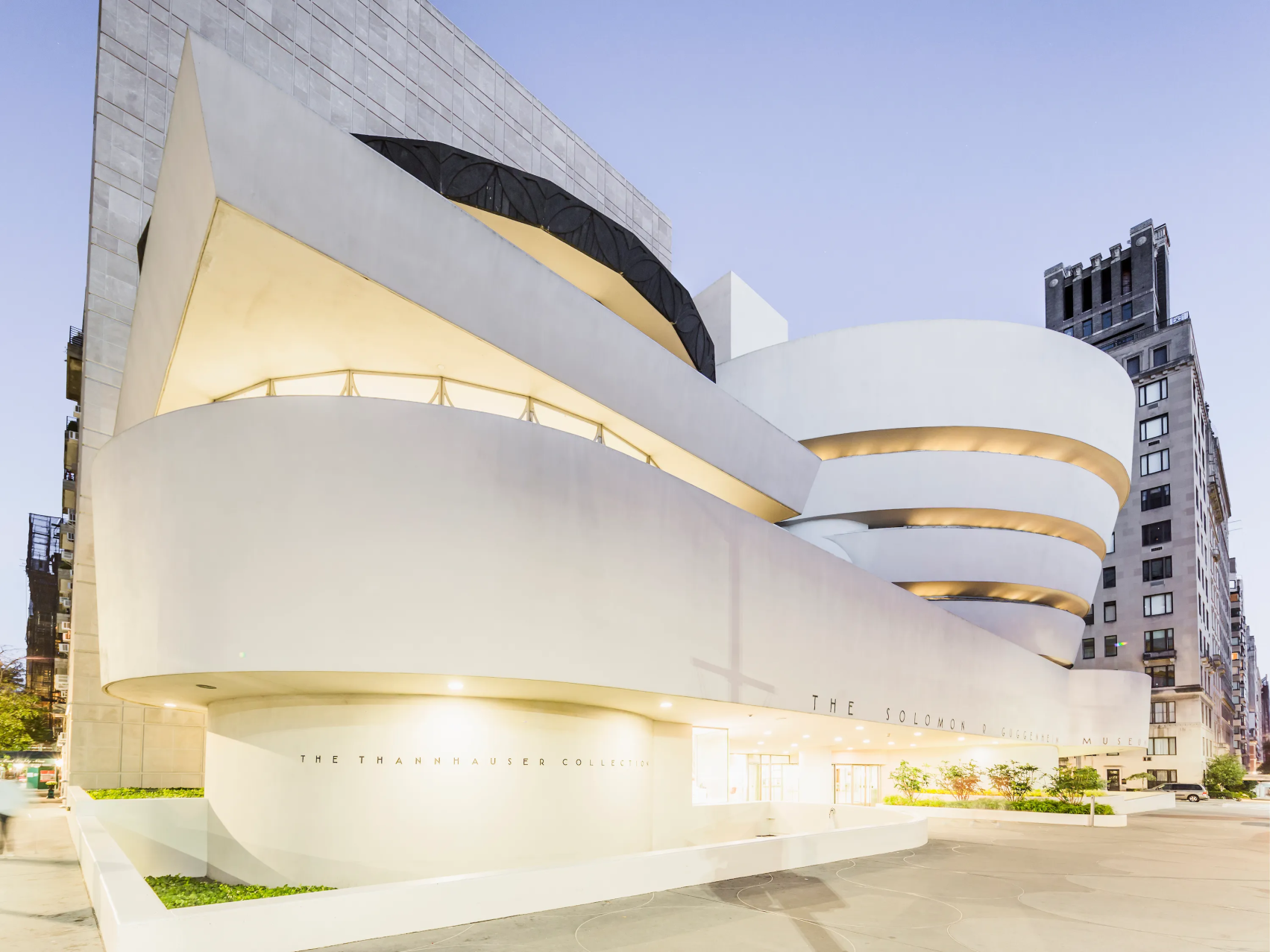
Designed by Canadian-American architect Frank Gehry, the Guggenheim Museum is known for its unique design and use of materials such as titanium, glass, and limestone. The project required a high level of skill to create the building's curved and undulating shapes. Gehry's use of innovative building techniques helped to achieve the project's goals.
The Petronas Towers, Malaysia

Designed by Argentine-American architect Cesar Pelli, the Petronas Towers were the tallest buildings in the world when they were completed. The project required a high level of technical expertise to design a structure that could withstand the effects of high winds and seismic activity. Pelli's use of building materials such as steel and glass helped to create a lightweight and sustainable building.
Educational Qualification to Become an Architect
To become an architect, one typically needs to obtain a professional degree in architecture from an accredited college or university. In the United States, this typically involves obtaining a Bachelor of Architecture (B.Arch.) or a Master of Architecture (M.Arch.) degree. The educational requirements for becoming an architect can vary by country, but most require a minimum of a bachelor's degree in architecture.
Tools and Software Used by Architects
Architects use a variety of tools and software to help them design and plan buildings and other structures. Some of the most common tools and software used by architects include:
-
Computer-Aided Design (CAD) Software: CAD software is used to create detailed 2D and 3D models of buildings and other structures. Some popular CAD software programs used by architects include AutoCAD, SketchUp, and Revit.
-
Building Information Modeling (BIM) Software: BIM software is a type of CAD software that allows architects to create highly detailed 3D models that include information about the building's components and systems. BIM software is often used for large-scale commercial and institutional projects. Some popular BIM software programs used by architects include ArchiCAD and Vectorworks.
-
Project Management Software: Project management software is used to help architects manage the various stages of a project, including planning, scheduling, and budgeting. Some popular project management software programs used by architects include Microsoft Project and Basecamp.
-
Rendering Software: Rendering software is used to create photo-realistic images and animations of building designs. These images can be used to help clients visualize the final product and to market the building to potential buyers or tenants. Some popular rendering software programs used by architects include 3ds Max and Rhino.
-
Sketching and Drawing Tools: Architects often use traditional sketching and drawing tools such as pencils, pens, and markers to create initial design concepts and ideas. The drafting table is a key piece of equipment in this process, providing a stable and adjustable surface for precise work. Some architects also use digital drawing tools, such as tablets and styluses, to create digital sketches and drawings.
Track Latest Construction Projects Across the Globe Unlock the Next Big Project!
Salary of Architects
According to data from the U.S. Bureau of Labor Statistics, the median annual wage for architects in the United States was USD 82,320 as of May 2020. However, salaries can vary widely depending on factors such as experience, location, and type of employer. For example, architects working in larger cities and for larger firms may earn higher salaries than those working in smaller towns or for smaller firms.
In terms of experience, entry-level architects can expect to earn a lower salary than more experienced architects. Architects with 5-10 years of experience can earn salaries in the range of USD 70,000 to USD 100,000, while those with 10-20 years of experience can earn salaries of USD 100,000 to USD 150,000 or more.
Challenges Faced by Architects in Construction Projects
Architects face many challenges when working on construction projects. One of the biggest challenges is managing the project budget. Architects must create a design that meets the client's needs while also staying within the budget.
Another challenge that architects face is working with other professionals. Architects must work with engineers, contractors, and construction managers to ensure that the project is completed on time and within budget. Effective communication and collaboration are critical to the success of the project.
Top Architectural Firms in the World
Bjarke Ingels Group (BIG)
BIG is a Danish architectural firm founded by Bjarke Ingels, known for its innovative and sustainable designs. One of their most famous projects is the 8 House in Copenhagen, a residential building that features a continuous loop of apartments, creating a unique community within the building.
Foster + Partners
Foster + Partners is a British architectural firm founded by Norman Foster. They have designed numerous high-profile buildings around the world, including the Hearst Tower in New York City, the Swiss Re building (also known as "The Gherkin") in London, and the Apple Park in Cupertino, California.
Zaha Hadid Architects
Zaha Hadid Architects is a British architectural firm founded by the late Zaha Hadid. They are known for their futuristic designs and use of cutting-edge technology. Their notable projects include the Guangzhou Opera House in China, the Heydar Aliyev Center in Azerbaijan, and the Al Wakrah Stadium in Qatar.
Herzog & de Meuron
Herzog & de Meuron is a Swiss architectural firm founded by Jacques Herzog and Pierre de Meuron. They are known for their innovative use of materials and geometric shapes. Some of their most famous projects include the Tate Modern in London, the Beijing National Stadium (also known as the "Bird's Nest"), and the Pérez Art Museum in Miami.
Snøhetta
Snøhetta is a Norwegian architectural firm known for its sustainable designs and focuses on creating buildings that blend into their natural surroundings. Their notable projects include the Oslo Opera House in Norway, the National September 11 Memorial Museum Pavilion in New York City, and the King Abdulaziz Center for World Culture in Saudi Arabia.
Skidmore, Owings & Merrill (SOM)
SOM is an American architectural firm founded in 1936. They are known for their sleek and modern designs and have designed numerous iconic buildings, including the Burj Khalifa in Dubai (the world's tallest building), the Willis Tower in Chicago (formerly known as the Sears Tower), and the One World Trade Center in New York City.
Top Architects in the World
Frank Gehry
Frank Gehry is an American-Canadian architect known for his distinctive and unconventional designs. Some of his famous projects include the Guggenheim Museum in Bilbao, Spain, the Walt Disney Concert Hall in Los Angeles, and the Louis Vuitton Foundation in Paris.
Renzo Piano
Renzo Piano is an Italian architect known for his sustainable and innovative designs. Some of his notable projects include The Shard in London, the Centre Georges Pompidou in Paris, and the Whitney Museum of American Art in New York City.
Tadao Ando
Tadao Ando is a Japanese architect known for his minimalist and modernist designs. Some of his notable projects include the Church of the Light in Osaka, the Punta della Dogana Museum in Venice, and the Modern Art Museum of Fort Worth.
Jean Nouvel
Jean Nouvel is a French architect known for his unconventional designs and use of materials. Some of his notable projects include the Louvre Abu Dhabi, the Philharmonie de Paris, and the Torre Agbar in Barcelona.
Conclusion
Architects play a vital role in construction projects. They are responsible for creating the design, managing the construction documents, and ensuring that the project is completed on time and within budget. Architects work closely with construction managers, engineers, and contractors to ensure that the project is a success. The challenges that architects face in construction projects can be overcome through effective communication and collaboration.
Stay Updated on Latest Construction Projects Across the Globe!
Subscribe to Global Construction Projects Database to get access to:
- Reliable and high-quality insights
- Upcoming, in-progress, and completed construction
- EPC projects
- Essential details on key stakeholder contact information
- Timely updates
Start a free demo to take your business to the next level!



![List of Top 5 Largest Construction Companies in Portugal [2026]](https://images.blackridgeresearch.com/zA7C1E09-z4Uj64Eb0zfkw/2b549578-fd97-4e1a-6ee2-9094c80f6400/thumbnail)
Leave a Comment
We love hearing from our readers and value your feedback. If you have any questions or comments about our content, feel free to leave a comment below.
We read every comment and do our best to respond to them all.