


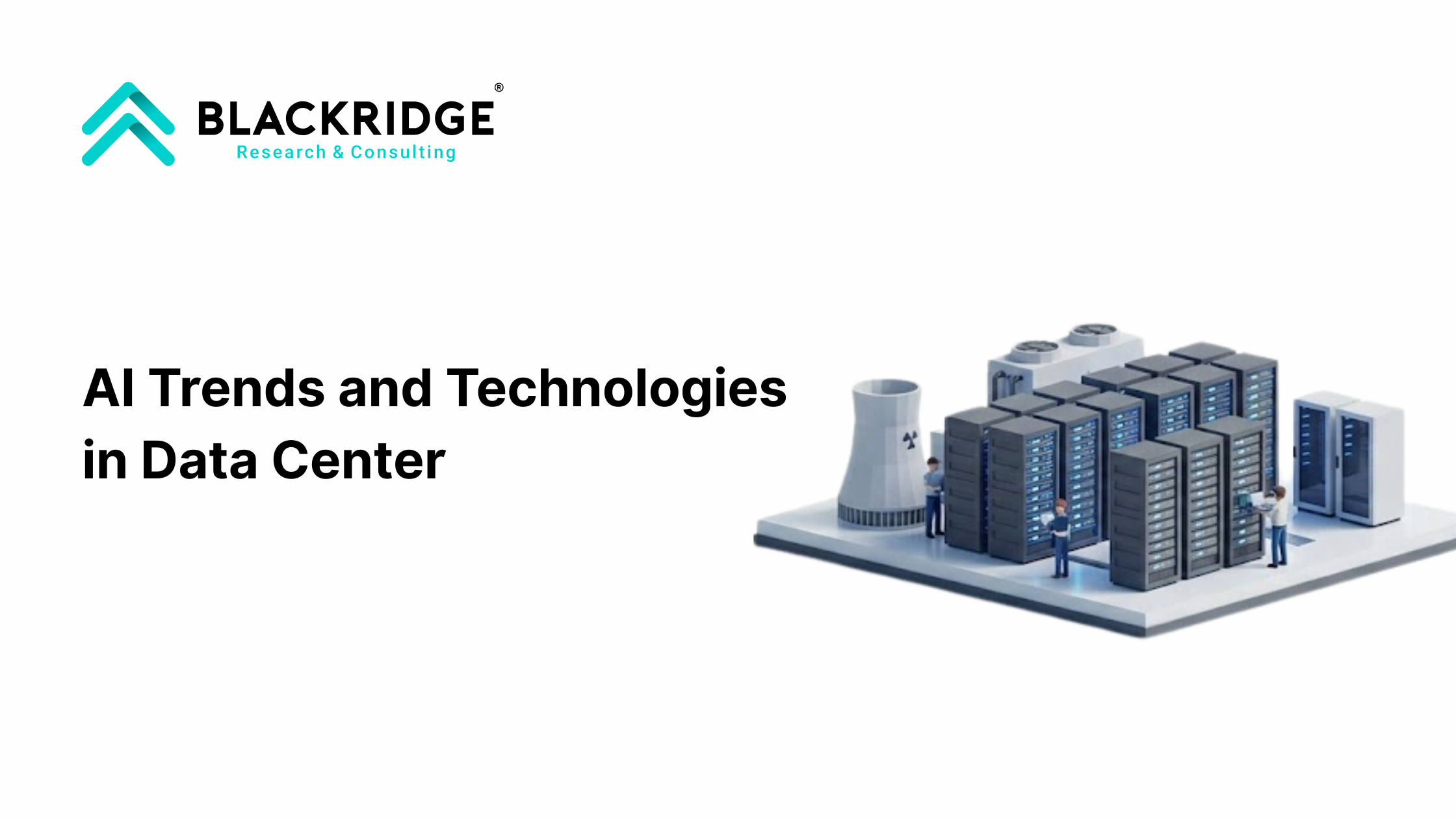
In 2026, data centers have become the backbone of the AI economy. Global data center spending is forecast to reach around USD 600 billion in 2026, driven largely by AI-optimized infrastructure, hyperscaler investments, and great demand for cloud and edge computing.
AI is driving a new generation of infrastructure built around AI-optimized GPUs and accelerators, massive AI supercomputing clusters, and liquid cooling at scale to handle extreme compute densities. At the same time, workloads are becoming more distributed through edge AI and micro data centers, bringing processing closer to users for ultra-low latency applications.
In this article, we explore the Top 7 AI Trends and Technologies Driving Data Center Growth in 2026, explaining how each trend is shaping data center infrastructure investments, operational efficiency, and future capacity expansion across hyperscale, enterprise, and edge environments.
Why are Data Centers Growing?
Data centers are growing because the world is producing, moving, and processing far more data than ever before. Global data creation is accelerating toward roughly 181 zettabytes by 2026, driven by streaming, social media, remote work, and enterprise digital tools, while the average person already generates about 1.7 MB of data every second.
At the same time, businesses are rapidly migrating to hyperscale clouds, with 90% of new applications expected to be cloud-based by 2026, pushing demand for larger, more efficient facilities. The explosion of IoT devices and edge computing, alongside a sustained e-commerce and digital transformation, requires distributed, high-capacity ai infrastructure.
Trusted by Leading EPCs & Manufacturers
Find the Latest Data Center Projects Around the World
Gain exclusive access to our industry-leading database of data center opportunities with detailed project timelines and stakeholder information
Request Free Trial → Learn More →
No credit card Up-to-date coverage
Top 7 AI Trends and Technologies in the Data Center 2026
Data centers in 2026 are no longer just storage facilities; they are becoming intelligent, automated, and AI-optimized ecosystems. The trends below highlight how artificial intelligence is redefining infrastructure, performance, energy efficiency, and scalability across modern data centers.
1. AI-Optimized GPUs and Accelerators
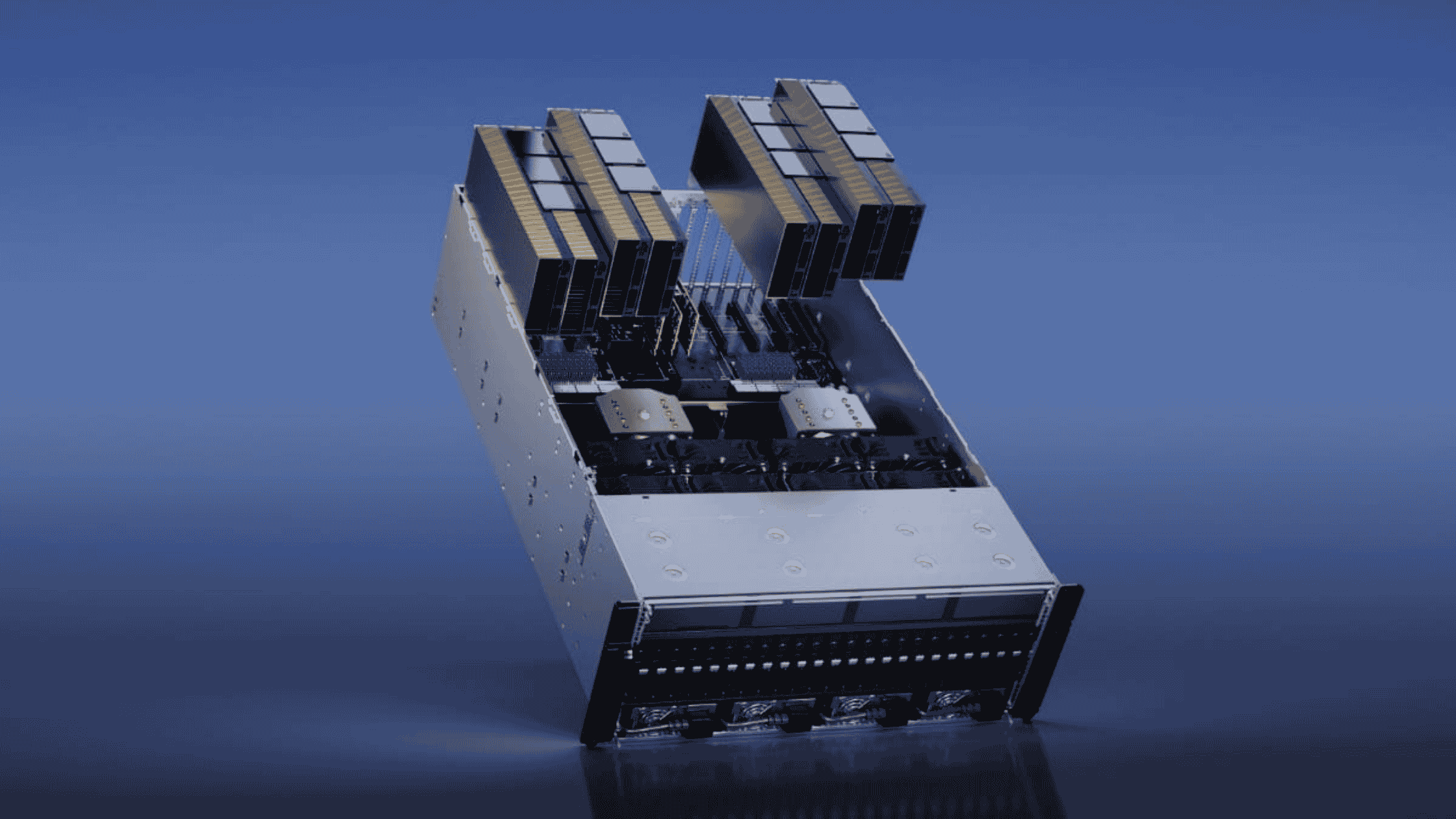
Source: stack.com
In 2026, data centers are shifting from traditional CPUs to AI-first accelerators such as GPUs, TPUs, and custom silicon. The rise of trillion-parameter models has made general-purpose chips inefficient for training and inference, pushing hyperscalers to invest heavily in purpose-built hardware.
NVIDIA leads the market through its Blackwell platform and H200 GPUs, powering large-scale AI clusters like xAI’s Memphis supercomputer. AWS is scaling its Trainium chips to lower training costs for enterprises, while Microsoft’s Maia accelerators strengthen Azure’s AI capabilities for OpenAI workloads. Google’s latest TPU - Ironwood (TPU v7) delivers major performance gains for large AI systems, including DeepMind research.
Real-world examples:
Meta trained its Llama models using tens of thousands of NVIDIA GPUs, cutting training timelines from months to weeks.
Hyperscale cloud providers now invest over USD 100 billion annually in AI hardware to support this demand.
2. AI Supercomputing Clusters
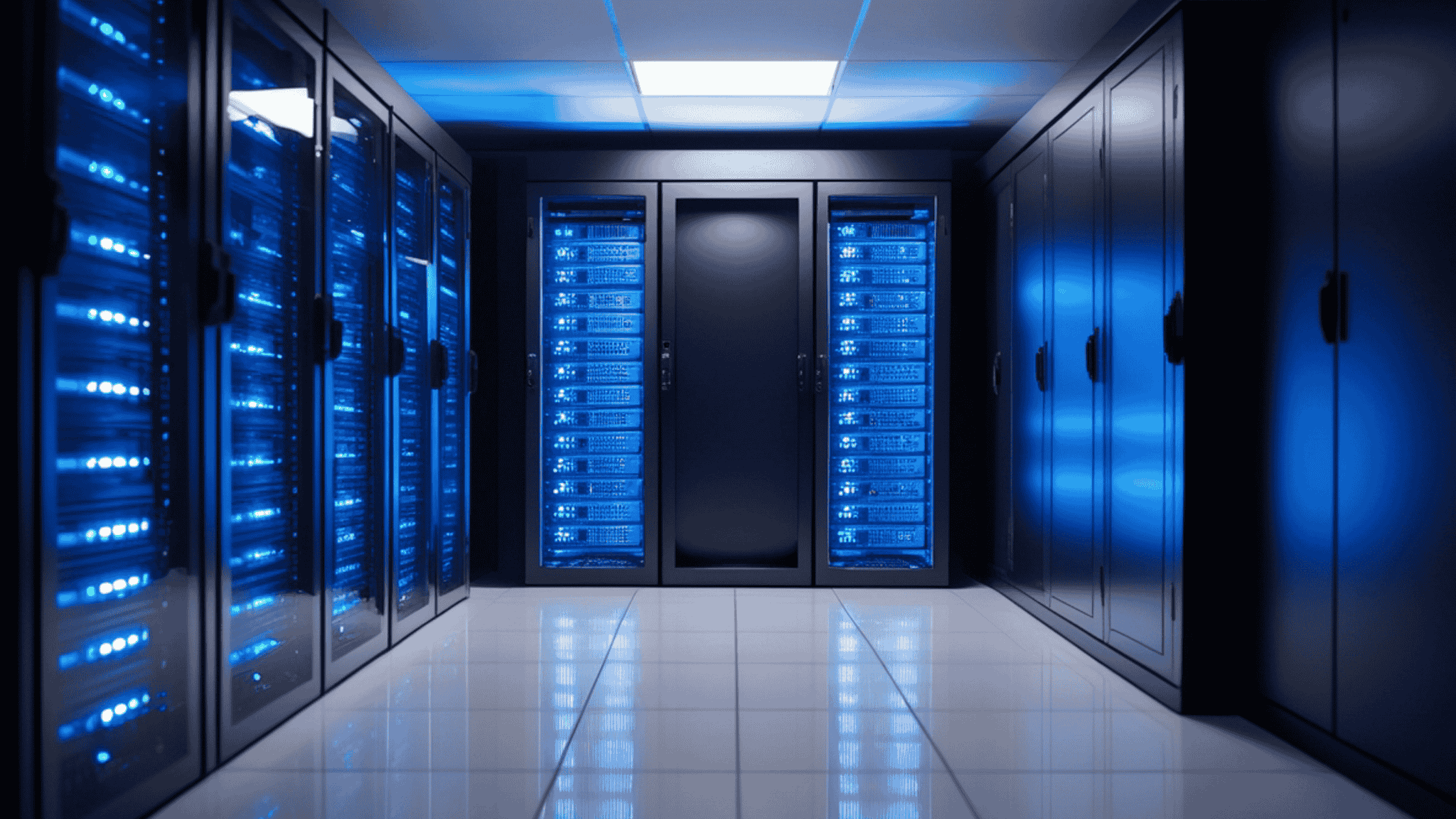
AI supercomputing clusters are becoming the core of modern data centers this year. Hyperscale data center companies are moving from conventional facilities to multi-megawatt AI campuses designed specifically for large-scale model training and inference. These clusters connect tens of thousands of GPUs or accelerators through ultra-fast networking systems, reducing latency and improving performance at scale.
Faster interconnects such as NVIDIA’s 800 Gb/s InfiniBand and emerging 1.6T Ethernet fabrics are enabling smoother parallel processing across massive GPU arrays. As a result, new data center campuses are being built to support 300 to 800 MW loads, with some projects exceeding 1 GW.
Real-world examples:
Microsoft’s Stargate UAE campus, built with OpenAI, G42, and NVIDIA, targets up to 5 GW for frontier AI research.
OpenAI's partnership with Microsoft Azure deployed a 20,000-GPU cluster in Iowa, United States last month, slashing GPT-5 training time by 40%.
3. Liquid Cooling at Scale
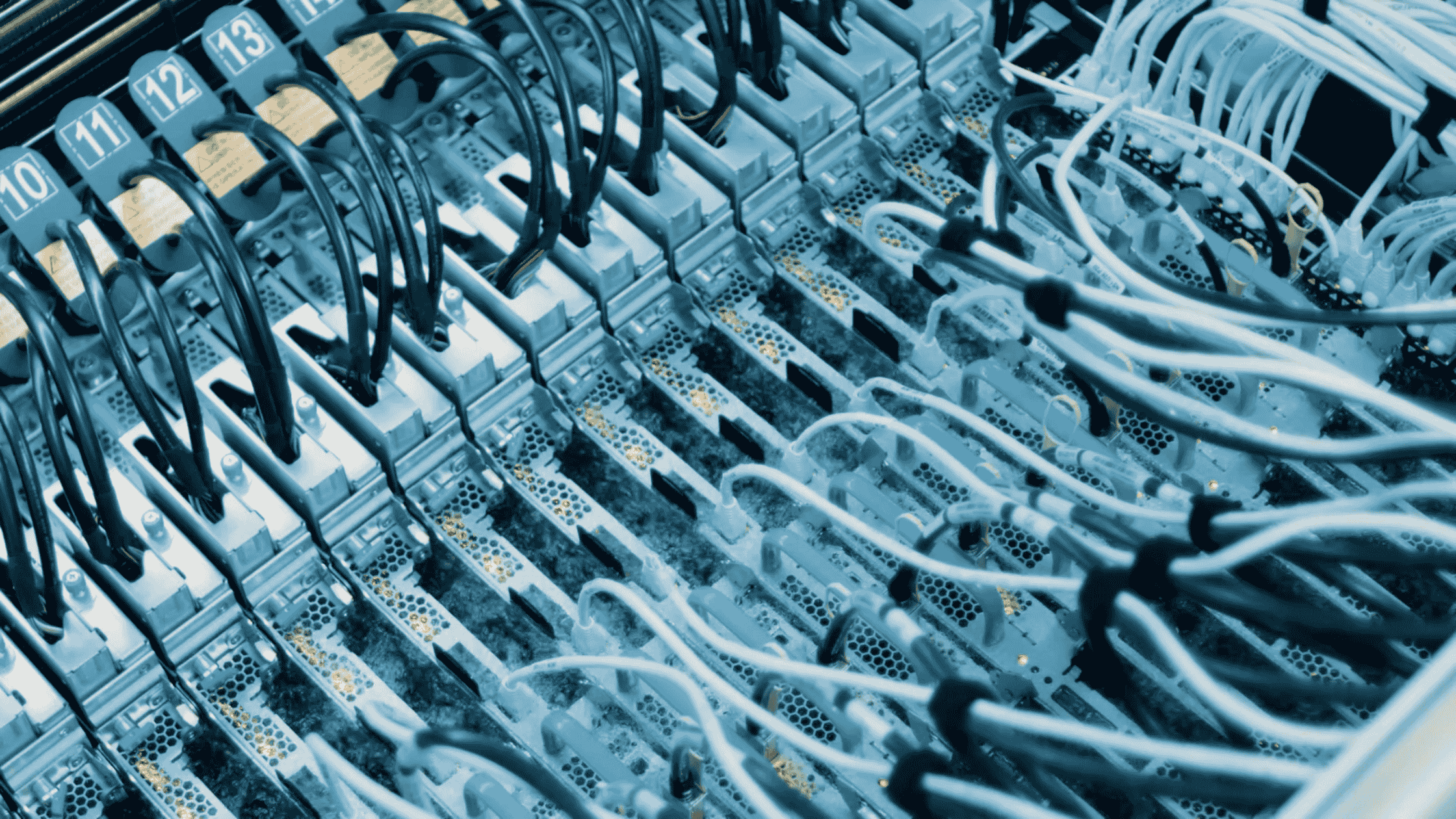
Liquid cooling is replacing traditional air cooling in hyperscale data centers. AI workloads now exceed 100 kW per rack, far beyond what air cooling can handle efficiently. Closed-loop direct-to-chip and immersion cooling systems are becoming the norm because they remove heat more effectively, reduce energy consumption, and allow much higher compute density.
These systems improve thermal efficiency by 30-50 percent, and help operators run larger, more powerful AI clusters without overheating or throttling performance. As a result, most new AI-focused data centers are being designed with liquid cooling from day one, rather than retrofitting it later.
Real-world examples:
NVIDIA’s GB200 NVL72 racks require liquid cooling for full performance.
Microsoft rolled out single-phase immersion cooling across 50 MW campuses in Sweden, cutting PUE (Power Usage Effectiveness) to around 1.08 for AI workloads.
Google introduced hybrid liquid-air cooling in its upgraded Finland campus, cooling over 1,000 TPU pods while reducing energy costs by about 40 percent.
Trusted by Leading EPCs & Manufacturers
Find the Latest Data Center Projects Worldwide
Gain exclusive access to our industry-leading database of data center opportunities with detailed project timelines and stakeholder information
Request Free Trial → Learn More →
No credit card Up-to-date coverage
4. Edge AI and Distributed Data Centers
Source: Dev community
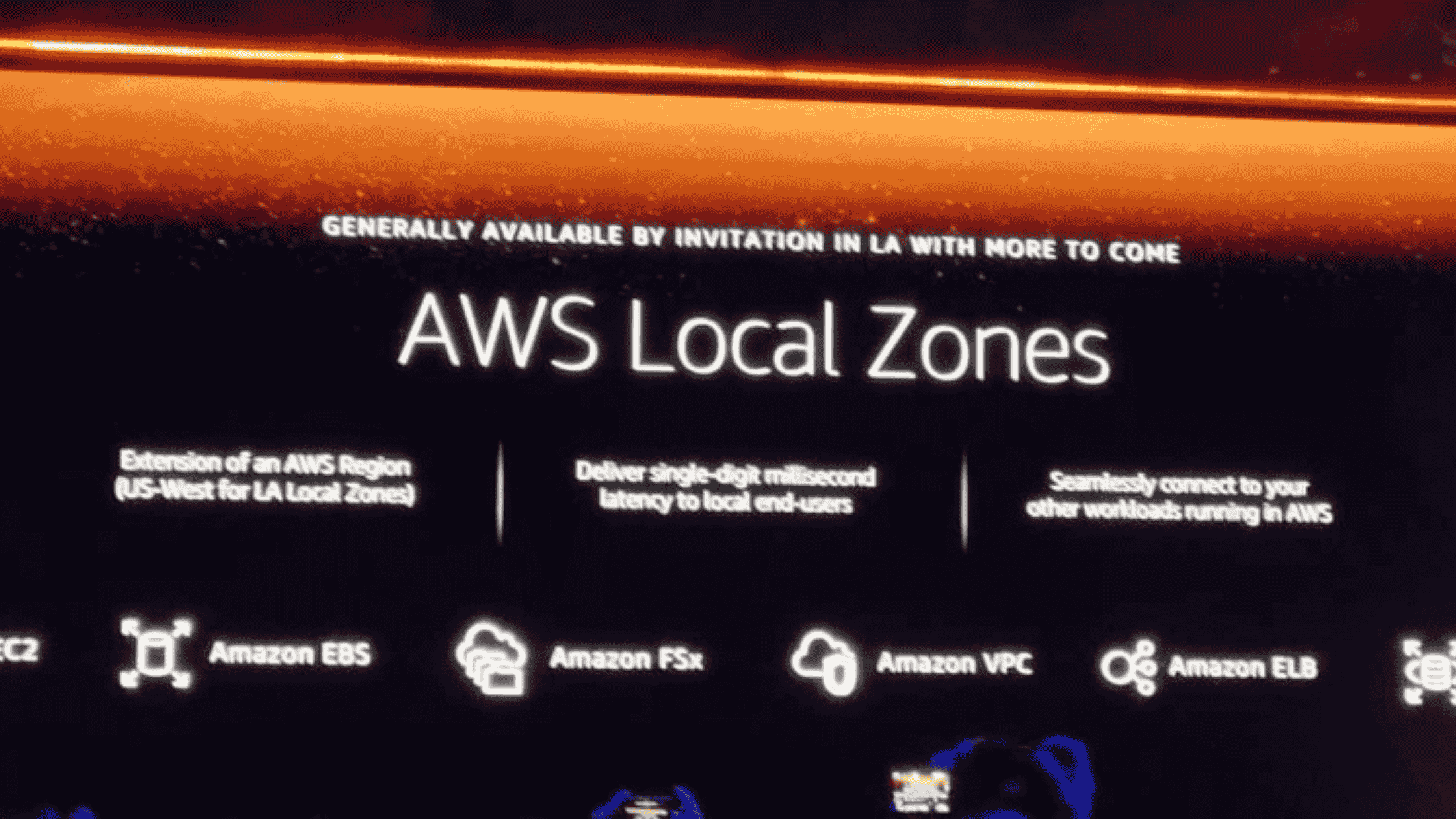
Edge AI is becoming the future of data center architecture by moving cloud computing closer to users and devices. Instead of relying only on massive centralized clouds, companies are deploying smaller micro data centers, typically in the 1-10 MW range, inside cities, factories, and telecom hubs.
Edge data centers cut data travel by up to 90 percent, reduces latency to single-digit milliseconds, and supports real-time AI use cases such as autonomous driving, smart cities, and industrial automation. The expansion of 5G and early 6G networks is accelerating this trend by enabling reliable, high-speed edge processing.
Also, modular data centers which are portable quick assembly systems help to set-up low cost quick setup data centers fueling the growth of data centers in the world.
Real-world examples:
AWS expanded Outposts and Local Zones to over 500 sites globally, enabling Volkswagen to run AI-driven manufacturing with sub-5ms latency in Germany.
Nokia deployed edge data centers across 200 Asian telecom hubs, using Qualcomm AI accelerators to support 5G network slicing.
Tesla processes about 10 petabytes of daily vehicle data at its Gigafactory edge clusters, reducing cloud dependency by 60 percent while improving over-the-air updates.
5. AI-Driven Energy Optimization

AI is becoming the control system behind how data center operators manage energy consumption today. Machine learning models now manage power loads in real time, predict demand spikes, and coordinate with power grids to prevent instability.
These systems analyze sensor data, weather patterns, and workload behavior to optimize cooling, schedule compute jobs, and balance renewable energy use. Hyperscalers are seeing 20-30 percent energy savings from AI-based automation, making it a core tool for cost control and sustainability as electricity consumption of data centers are higher.
Real-world examples:
Google uses DeepMind’s AI across most of its data centers, cutting cooling energy by about 40 percent through predictive controls for chillers and fans.
The Dawn supercomputer at the University of Cambridge utilizes AI-driven liquid cooling and power management to achieve a PUE of 1.14.
6. Renewable-Powered AI Data Centers
Ai data centers are increasingly being built around renewable energy. Operators are pairing AI campuses with large-scale solar, wind, and hybrid power projects to meet soaring electricity demand while reducing emissions. Site selection is now driven by access to clean power, grid stability, and long-term power purchase agreements rather than just land or connectivity.
Battery energy storage systems (BESS), microgrids and co-located renewable farms are becoming standard features of new green data centers, ensuring reliable 24/7 operations while lowering carbon intensity. As AI workloads continue to expand, this shift is reshaping infrastructure planning, investment flows, and regional competition for green energy resources.
Real-world examples:
Microsoft invested USD 15.2 billion in UAE data centers in December 2025, focusing on renewable partnerships, and also signed a 150 MW wind PPA with Iberdrola in Spain.
Google launched a large solar facility in Texas, United States to power data centers, investing USD 16 billion in clean energy through 2040.
Microsoft secured 150 MW in wind PPAs from the Iglesias (Burgos) and El Escudo (Cantabria) farms to power Azure’s AI data centers and advance its 100% renewable energy goal in Europe.
7. AI for Data Center Operations (AIOps)
AI is becoming the control layer for data center operations. AIOps platforms now analyze logs, metrics, and telemetry in real time to detect failures before they occur. These systems automatically adjust cooling, reroute workloads, and repair infrastructure without human intervention.
This shift is critical as AI clusters grow larger, more complex, and more power-intensive. Operators are using AIOps to maintain ultra-high reliability, improve performance, and cut operational costs while managing thousands of GPUs across multiple campuses.
Real-world examples:
Equinix deployed ServiceNow’s AIOps across more than 250 sites, preventing a major cooling failure in Singapore during peak AI demand.
Splunk’s AIOps tools are widely used in hyperscale environments to predict GPU failures and optimize capacity planning.
Conclusion
AI is permanently changing what a “data center” looks like. By late 2026, AI is expected to account for nearly 50% of total data center workloads, with inference overtaking training as the dominant use case. Power density continues to rise, pushing liquid cooling from niche to mainstream, while renewable integration and on-site power generation become core to site selection.
The data centers of the future will be cleaner, smarter, more distributed, and deeply AI-native, blending hyperscale clouds with edge computing, automated operations, and renewable power ecosystems. Organizations that align with these data center trend will be best positioned to compete in an increasingly AI-driven digital economy.
Find the Latest Data Center Facility Projects Around the World with Ease
Are you seeking reliable and up-to-date insights into data center projects worldwide?
Explore the Global Project Tracking (GPT) platform by Blackridge Research, your go-to resource for the latest data center projects and tenders across all stages:
Upcoming Projects
Tender Notices
Contract Awards
Projects Under Construction
Completed Projects
Book a Free Demo today and see how the GPT platform can help you unlock opportunities and achieve your business goals.
Leave a Comment
We love hearing from our readers and value your feedback. If you have any questions or comments about our content, feel free to leave a comment below.
We read every comment and do our best to respond to them all.