


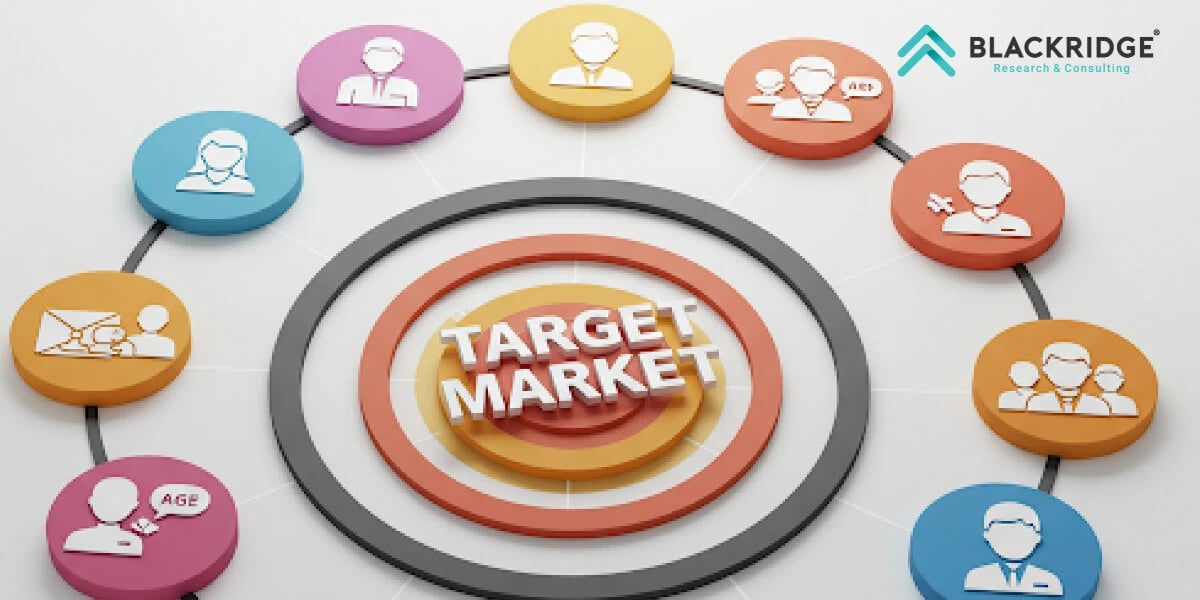
Ever wondered why some businesses seem to get their customers so well? It’s not luck; it’s all about knowing their target market.
When a business understands exactly who it’s speaking to, everything becomes easier. Products sell faster. Marketing feels more natural. Budgets go further. That’s the power of clear target market identification.
In this blog, you’ll learn what a target market really means, how to define yours, and why it plays a key role in your business plan. We’ll also break it down with simple steps and real-life target market examples to help you take action.
Ready to get clear on who your business is really for? Let’s dive in.
Target Market : What Does It Mean?
A target market is a specific group of people that a business aims to reach with its products or services. In business competitive analysis, companies aim to turn people with certain traits, such as age, income, location, or interests to become their customers. This concept is the basic target market definition used across industries.
Why Is Defining a Target Market Important?
Identifying a clear target market helps businesses focus their energy, time, and money on people who are more likely to convert into paying customers. When a business is clear about who it serves, it can create better marketing strategies, develop products that match real needs, and spend its budget more effectively. This process is called target market identification.
Identifying your target market in a business plan is also important. It shows investors that you know your audience and have a focused plan to reach them. A well-defined market makes your business more competitive, more efficient, and more likely to grow. Having
Here’s why it matters:
Improves marketing efficiency: You can create personalized campaigns that resonate with a specific audience.
Boosts sales: When you speak directly to the right people, they are more likely to buy.
Guides product development: Knowing your customers helps you build products they actually want.
Strengthens business strategy: A well-defined target market in a business plan shows clarity and direction, especially when presenting to investors.
Target Market Identification – Step-by-Step Process
After understanding the target market definition, the next step is to identify your ideal customer. This process is known as target market identification. Target market identification is a key part of planning for growth. It helps businesses:
Choose the right marketing channels (social media, email, local events)
Set the right pricing strategy.
Create focused messages that solve real problems.
Identifying your target market is not a one-time task. It’s a continuous process that shapes everything from your product to your pitch. More importantly, it provides clarity when writing a business plan.
A detailed understanding of your market shows that your business idea is grounded in research and customer insight. It also shows that your brand knows its target market and how to reach them, which strengthens the business plan. It’s the process of finding out who is most likely to buy your product or service and why.
Let’s walk through the steps.
Step 1: Start with Demographic Research
Demographic data helps define the basic profile of your target audience. These are facts like age, income, and education. Starting with demographics helps you create a basic target market profile.
Demographic Factor | Why It Matters |
Age | Different age groups have different needs and habits |
Gender | Some products appeal more to specific genders |
Income Level | Helps you price products correctly |
Education | Influences how people process information |
Occupation | Can impact lifestyle and purchasing decisions |
Step 2: Add Psychographics
Psychographics explain why people make buying decisions. This goes beyond age or gender and looks at values, interests, and behaviors. You can better understand your target market and craft more individualised marketing messages by being aware of these characteristics.
Here are some psychographic elements to consider:
Lifestyle and daily habits
Hobbies and personal interests
Attitudes and opinions
Values and beliefs
Buying motivations
Step 3: Include Geographic and Behavioral Insights
Customers' residences and behaviour are also important factors. These insights assist you in modifying your approach to suit various user behaviors and geographical areas. For example, a snow gear company might focus its ads in colder climates while also targeting repeat buyers online.
Insight Type | What to Look For |
Geographic | Country, state, city, or climate |
Behavioral | Purchase frequency, brand loyalty, and usage habits |
Step 4: Use Market Segmentation Tools
Once you’ve collected data, divide your audience into smaller groups or segments. Segmentation helps you move from a broad audience to a strategy for sharply identifying your target market.
Useful segmentation tools include:
Google Analytics
Social media insights
CRM data
Customer surveys
Purchase history reports
Target Market in Business Plan: Why It Matters
A well-defined target market is one of the most important sections of any business plan. It shows who the product or service is for and how the company plans to reach those people. When the target market in a business plan is clear, it strengthens the business model and builds investor confidence.
Why Investors Focus on the Target Market
Venture capitalists and angel investors want to know that your business idea is backed by real market demand. They evaluate your target market identification to see if your product has the potential to grow and scale. Without clear target market data, investors may question whether your idea is viable.
Here’s what they look for:
What Investors Want to See | Why It Matters |
Clear customer segments | Shows the business knows exactly who it serves |
Market size and demand | Helps assess potential revenue and growth |
Evidence of research | Indicates preparation, not guesswork |
Fit between product and market | Confirms your solution solves a real problem |
How Target Market Clarity Shapes Business Strategy
Gaining insight into your ideal customers can help you make better decisions about your products, prices, and advertising. Businesses that skip this step often struggle with poor product-market fit and weak sales.
Here’s how it supports your business planning:
Area of Strategy | How Target Market Helps |
Product Development | Tailor features to real customer needs |
Marketing Channels | Focuses efforts on platforms where your audience is active |
Brand Messaging | Speaks the language and values of the target group |
Pricing Strategy | Aligns price with what your audience can afford and values |
A great target market example is a fintech app targeting small business owners in the U.S. The team can now focus on features like invoicing, tax tracking, and simple dashboards, features that truly matter to that group.
Including a clear and specific target market definition in your business plan shows focus and preparation. It proves you understand who your customers are and how your product meets their needs. Strong target market identification is essential for long-term success, regardless of whether you are seeking funding or developing a go-to-market strategy.
Mistakes to Avoid While Defining Your Target Market.
Defining your target market is a critical part of business success. But many companies make common mistakes that can lead to poor strategy, wasted resources, and missed opportunities. Here are some key errors to avoid during the process of identifying the target market:
Common Mistakes and How to Avoid Them
Mistake | Why It’s a Problem | How to Avoid It |
Overgeneralizing your market | Trying to sell to "everyone" weakens your message and increases marketing costs. | Be specific. Focus on a clear segment with shared needs. |
Ignoring customer feedback | Missing out on real insights can lead to product features that don’t match expectations. | Use surveys, reviews, and interviews to stay in touch with your customers. |
Relying on assumptions instead of data | Assumptions often lead to poor product-market fit and low conversions. | Base your target market definition on actual research and behavioral data. |
Not updating the target market over time | Markets change, and so do customer needs. | Revisit and revise your target market in business plan regularly. |
Avoiding these mistakes helps you define a stronger, more accurate target market. This leads to smarter strategies, more relevant products, and better results across all areas of your business.
Take Away
The objective of comprehending one's target market is not merely to enhance one's marketing strategies; it is to establish a sustained business. A clear target market definition helps shape product development, messaging, pricing, and strategy. It also strengthens your business plan, showing investors and stakeholders that you know exactly who your customers are and how to reach them.
However, defining your market is not the end of your responsibilities. It is imperative to continue to refine your target market identification as your business expands and trends evolve. Consistent updates guarantee that your brand remains pertinent and continues to cater to the appropriate audience.
Want expert assistance in understanding your target market better?
Let's connect and get access to 360° competitive intelligence tools and custom research service target and understand your prospects better and create well-thought marketing campaigns to close more sales.
Frequently Asked Questions
How can the target market be defined in distinct ways?
A target market can be considered a profile of the customer to whom a product is most likely to appeal. The profile takes into account four major characteristics: demographics, geography, psychographics, and behavior. These characteristics influence who is most likely to buy products from a business.
How is the target market calculated?
The projected number of potential consumers for a good or service inside a certain market is known as the target market size. It is computed by multiplying the market proportion by the total population.
How can you determine who your target market is?
You can learn about your target market's needs, why they buy (or don't buy) from you, and how to make your products more appealing using focus groups, surveys, and in-person talks. You may also learn more about your clients by examining data from your CRM or point-of-sale system.




Leave a Comment
We love hearing from our readers and value your feedback. If you have any questions or comments about our content, feel free to leave a comment below.
We read every comment and do our best to respond to them all.