


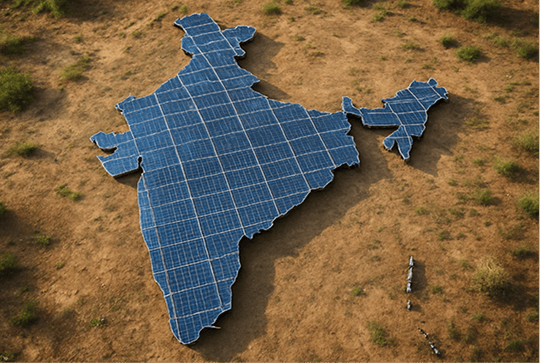
India achieved a significant milestone in renewable energy by installing 119,016.54 megawatts of solar photovoltaic capacity by the end of July 2025. This solar capacity represents more than 63.35 percent of the country's total renewable energy capacity, excluding large hydro projects.
The rapid expansion in India's solar sector has been driven by several key factors including lower solar panel prices, improved technology, strong government policies, and rising awareness about clean energy. These developments have positioned solar energy as the dominant force in India's renewable energy landscape.
Rapid Solar Capacity Growth in 2025
India demonstrated remarkable momentum in solar installations during the first seven months of 2025, adding 21,151.82 megawatts of new solar capacity. July 2025 alone saw installations of 2,768.71 megawatts, representing a 2.38 percent increase compared to June installations.
Wind energy also contributed to renewable capacity expansion during this period, with 465.25 megawatts added in July. These additions reflect India's continuing commitment to clean energy development and reducing carbon emissions across the energy sector.
Government Policy Framework Driving Growth
Government policies have played a central role in accelerating India's renewable energy progress. The Production-Linked Incentive scheme has encouraged domestic manufacturing within the solar sector, while the Approved List of Models and Manufacturers (ALMM) policy has helped improve the quality of solar equipment used in installations.
The ALMM policy, which was reinstated on April 1, 2024, mandates that only certified solar modules can be used in government projects. This policy framework will expand further from June 1, 2026, when the requirement will also apply to solar PV cells, ensuring better performance and reliability in solar systems across the country.
Renewable Energy Capacity Distribution
As of July 2025, India's total renewable energy capacity, excluding large hydro projects, stood at 187.862 gigawatts. Solar and wind energy together contributed nearly 161 gigawatts, accounting for over 91.11 percent of the total renewable capacity. Ground-mounted solar systems lead the market with 90.99 gigawatts installed, representing the largest segment of solar deployment. Rooftop solar systems have grown to 19.88 gigawatts, becoming increasingly popular among households, businesses, and industries seeking to reduce electricity bills and achieve greater energy independence. Solar-wind hybrid projects have reached 3.06 gigawatts, offering better utilization of land and transmission infrastructure. These hybrid installations provide more efficient use of available resources and infrastructure investments.
Off-Grid Solar Systems and Rural Impact
Off-grid solar systems are making a significant difference in rural areas by replacing diesel generators and improving energy access. These systems include solar lanterns, solar-powered water pumps for agriculture, and small solar grids for local electricity supply.
The total capacity of off-grid systems has crossed 5.09 gigawatts, contributing to reduced pollution and lower energy costs in areas without traditional grid connectivity. These installations provide essential energy services to communities that previously relied on more expensive and polluting alternatives.
Market Challenges and Infrastructure Requirements
Despite the significant achievements in solar capacity expansion, challenges remain in sustaining this growth trajectory. Securing adequate land for large-scale solar projects is becoming increasingly difficult as demand for suitable locations continues to grow.
Integrating more solar energy into the grid without causing supply imbalances requires major investments in transmission infrastructure and advanced technologies. These infrastructure upgrades are necessary to accommodate the increasing share of renewable energy in India's power system.
Global Market Influence on Indian Solar Sector
The global market situation has created favorable conditions for India's solar sector expansion. Higher import duties imposed by the United States on solar modules have redirected many international suppliers toward India as an alternative market.
This redirection has resulted in increased shipments of solar modules into the country, making installations more affordable and enabling faster capacity growth. The development is providing an additional boost to India's renewable energy ambitions, helping the nation move closer to its clean energy targets.
The combination of domestic policy support and favorable global market conditions has created a conducive environment for continued solar capacity expansion in India. The country's renewable energy sector continues to demonstrate strong growth momentum across multiple technology segments, with solar photovoltaic leading the transformation toward cleaner energy sources.
Track the Latest & Upcoming Renewable Energy Projects In India
Subscribe to our upcoming and ongoing Renewable Energy Projects in India with ease to access reliable, high-quality insights on forthcoming and completed Projects across the country.
Our user-friendly platform provides essential details, timely updates, key stakeholder contact information, and business opportunities tailored for engineering companies, industry professionals, investors, and government agencies.
Start a free demo to take your business to the next level.
Leave a Comment
We love hearing from our readers and value your feedback. If you have any questions or comments about our content, feel free to leave a comment below.
We read every comment and do our best to respond to them all.