


What is a Desalination Plant and How Does It Work?
A desalination plant removes salts from seawater using a process called reverse osmosis. Desalination plants are widely used in regions with abundant seawater but insufficient potable water/drinking water sources.
About 21,000 seawater desalination plants will be in operation by 2022, twice the number of a decade ago. By 2030, desalination plants are expected to double their capacity in Middle Eastern countries. The Desalination Plant is emerging as the only solution to balance the increase in water scarcity. With increased awareness about seawater, surface water, and the brackish water desalination process, many countries are actively contributing towards establishing large desalination plants to avoid water scarcity in the coming years.
What is a Desalination Plant?
Seawater desalination is done in various methods and practices of which a few popular processes like SWRO (seawater reverse osmosis), or distillation processes. The water treatment methods used under these processes in desalination plants depend upon the water and the process used. Thermal methods are used in distillation, whereas membrane-based methods are used in reverse osmosis.
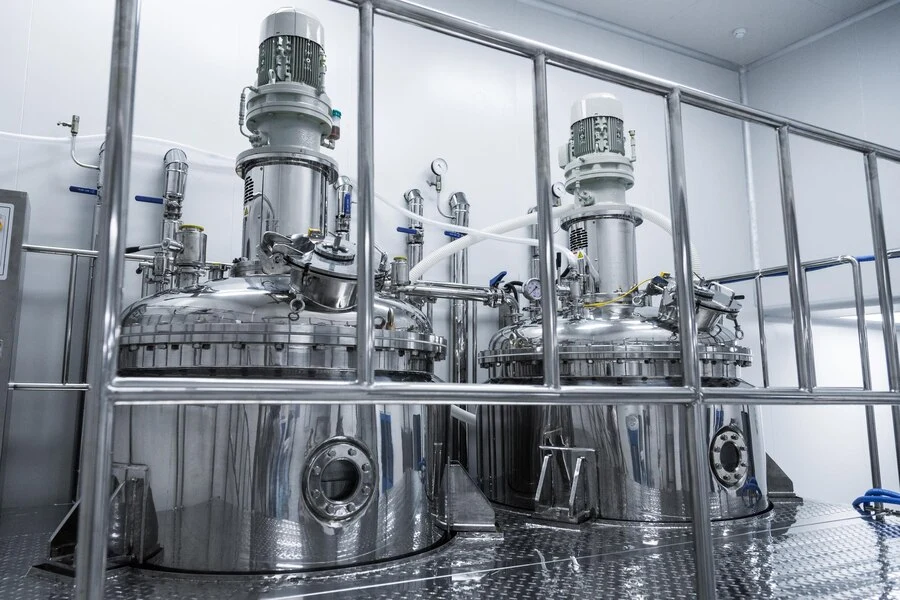
Types of Desalination Processes Used Globally
The desalination processes used globally are based on reverse osmosis and distillation processes. The selection of the desalination process is crucial for the efficiency and sustainability of the plants. Factors such as energy requirements, brine disposal methods, and overall cost-effectiveness significantly determine the most suitable technology for each plant.
Distillation-Based Desalination Plant
A simple traditional process of boiling seawater to ensure salt and impurities are left behind and desalinated water is re-condensed. Distillation in either form is unique compared to other desal plant processes as the water is heated until it evaporates, and then it is condensed again to form desalinated water. With time, distillation evolved into various types such as solar, natural, multi-stage, flash, and vacuum. The major distillation used is the multi-stage flash distillation.
Trusted by Leading Manufacturers & EPCs
Find The Latest Desalination Plant Projects Around The World
Gain exclusive access to our industry-leading database of Desalination Plant Projects opportunities with detailed project timelines & stakeholder information
No credit card Up-to-date coverage
Seawater is passed through a series of evaporation processes in this distillation process. At each stage, the water evaporates from the seawater, leaving desalinated water behind. The purpose behind multi-stage flash is at each stage a portion of seawater is desalinated and is collected into a different collector. In contrast, the remaining seawater is passed onto further flashes for complete desalination. Each multi-stage flash facility has up to 30 stages. Each stage gets its energy from the condensation process of water from the prior stage.
The multi-stage flash distillation, or MSF, produces about 26% of the world's desalinated water. Distillation is considered to be more time-consuming and expensive for its high energy consumption hence, reverse osmosis becomes a more economical option.
Reverse Osmosis Desalination Plant Processes
One of the most popular and highly applied water treatment practices for desalination, reverse osmosis, also known as RO, is one of the simplest water purification processes commonly known for low energy consumption.
In the reverse osmosis desalination plant process (SWRO), the seawater flows through a semi-permeable membrane under high pressure. This membrane acts as a filter, allowing only clean water to flow through the other side of the membrane, leaving behind the salt and other impurities. Thus producing desalinated water. It is known as reverse osmosis due to its equivalent solute concentration throughout the process. SWRO (Seawater Reverse Osmosis) desalination plant includes about 8 stages or less depending upon the water salinity.
The process begins with the intake of salt water that undergoes pre-treatment using nano-filtration membranes to separate the minute impurities and salt from the water. The water is pushed through several membranes using high-pressure pumps. The number of membranes depends upon the water salinity. A system of membranes is designed and assembled based on the water salinity, ensuring higher desalinated water, known as recovery ratio. This is the most important step of the process, and it purifies most water. The remaining steps include re-mineralisation and pH adjustment followed by disinfection using UV lamps resulting in complete desalinated water ready for consumption.
Desalination Plant Cost and Setup
Setting up desal plants and the cost incurred depends upon various factors such as location, water type - seawater or brackish, capacity, the desalination plant processes, opted desalination machinery configuration, and other miscellaneous factors. Depending upon several factors, the desalination plant costs can range from 10-15 million dollars. While the initial capital costs of setting up a desalination plant can be high, the operational costs are also significant due to the energy-intensive nature of desalination processes, especially in a RO plant.
Desalination plants are substantial investments to address water scarcity in regions like San Diego and Tampa Bay, where water demand exceeds natural supply. The Water Authority in these areas often considers building desalination plants to supplement traditional water sources like the Colorado River.
The cost of electricity to power the plants can be a major expense, impacting the affordability of desalinated water. Additionally, factors like maintenance, labor, and brine disposal can contribute to the total cost of running a desalination facility. Despite the expenses involved, desalination plants play a vital role in ensuring a reliable water supply in water-stressed regions.
Trusted by Leading Manufacturers & EPCs
Find The Latest Desalination Plant Projects Around the World
Gain exclusive access to our industry-leading database of Desalination Plant Projects opportunities with detailed project timelines & stakeholder information.
No credit card Up-to-date coverage
These plants help mitigate water scarcity and support the growing need for freshwater resources by producing potable water from seawater or brackish groundwater. The development of desalination technology continues to evolve, incorporating innovations to enhance efficiency and reduce costs, making desalination a promising solution for addressing water supply challenges globally.
The Carlsbad Desalination Plant in San Diego, built in 2015 for USD 1 billion, produces 50 million gallons of desalinated water per day. Similarly, the Huntington Beach Seawater desalination plant project has been proposed for a whopping USD 650 million for Orange County, California.
Desalination Plant and Its Future
With the demand for water rising due to urbanization and climate change, desalination plants are set to become even more integral in securing adequate water resources for communities globally. The evolution of desalination plants lies not only in improving technological processes but also in addressing environmental concerns such as brine disposal and energy consumption. Continuous research and development in the desalination field promise a future where these plants will play a vital role in ensuring water security for regions facing water stress.
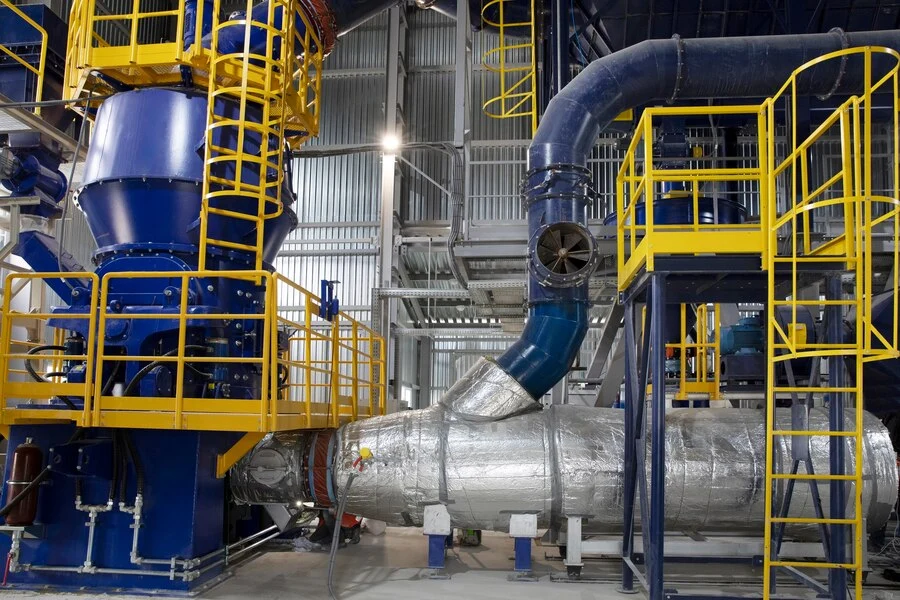
Emerging water scarcity influenced major countries like UAE, Saudi Arabia, Israel, and many Middle Eastern countries to largely produce and depend upon desalination plants for water consumption. The United Arab Emirates (UAE) depends about 42% on desalination plants for its drinking water. Similarly, about 90% of potable water is processed in desalination plants in other Middle Eastern countries like Kuwait and Oman.
The rise in demand created a real “boom” in desal plant setup and desalinated water consumption. Middle Eastern countries will raise their desalination plant capacity by 2030. Saudi Arabia is set to increase its capacity from 5.6 million to 8.5 million cubic meters per day by 2030. Likewise, other Middle Eastern countries like Oman, Kuwait, and Israel are planning similarly.
Developing countries in Africa and Asia may soon witness a similar boom to Middle Eastern countries in the adoption of water-desalinated plants. By investing in desalination plants, these regions can effectively address water scarcity issues and ensure a more reliable source of fresh water for their growing populations.
Upcoming Desalination Plant Projects Around the World
|
|
|
|
|
|
|
|
|
|
Project Name
|
|
Country
|
|
Stage
|
|
Project Value(in USD Milion)
(e) - for an estimated value
|
|
|
|
|
|
|
|
|
|
|
| Jubail 4 Independent Water Project (IWP) |
| Saudi Arabia |
| Pre-Qualification / Pre-tender |
| 914 |
|
|
|
|
|
|
|
|
|
|
| Jubail 6 Independent Water Project (IWP) |
| Saudi Arabia |
| Pre-Qualification / Pre-tender |
| 677 |
|
|
|
|
|
|
|
|
|
|
| Rabigh 4 Independent Water Project (IWP) |
| Saudi Arabia |
| Contract Award |
| 620 |
|
|
|
|
|
|
|
|
|
|
| Manori Desalination Plant |
| India |
| Main Contract Bid |
| 500 (e) |
|
|
|
|
|
|
|
|
|
|
| Shuqaiq 4 Independent Water Plant (IWP) |
| Saudi Arabia |
| Planning |
| 449.2 |
|
|
|
|
|
|
|
|
|
|
| Ras Al-Khair-2 Independent Water Project |
| Saudi Arabia |
| Planning |
| 422.19 |
|
|
|
|
|
|
|
|
|
|
| Al Hamriyah Independent Water Plant |
| United Arab Emirates |
| Bid Evaluation |
| 250 (e) |
|
|
|
|
|
|
|
|
|
|
| Ras Mohaisen Reverse Osmosis Independent Water Plant (IWP) |
| Saudi Arabia |
| Main Contract Bid |
| 250 (e) |
|
|
|
|
|
|
|
|
|
|
| Hassyan Reverse Osmosis Independent Water Project Phase I |
| United Arab Emirates |
| Contract Award |
| 200 (e) |
|
|
|
|
|
|
|
|
|
|
| Mirfa 2 Reverse Osmosis Independent Water Project |
| United Arab Emirates |
| Contract Award |
| 200 (e) |
|
Trusted by Leading Manufacturers & EPCs
Find The Latest Desalination Plant Projects Around The World
Gain exclusive access to our industry-leading database of Desalination Plant Projects opportunities with detailed project timelines & stakeholder information
No credit card Up-to-date coverage
Environmental Impact
Seawater desalination in large volumes becomes an expensive affair with time. This intensive-energy-focused process releases huge amounts of greenhouse gasses (GHGs). Additionally, the disposal of salt collected after desalination is a huge challenge. Measures taken to protect the environment from any negative impacts include initiatives such as energy recovery during reverse osmosis (RO) that can reduce 50% of energy consumption.
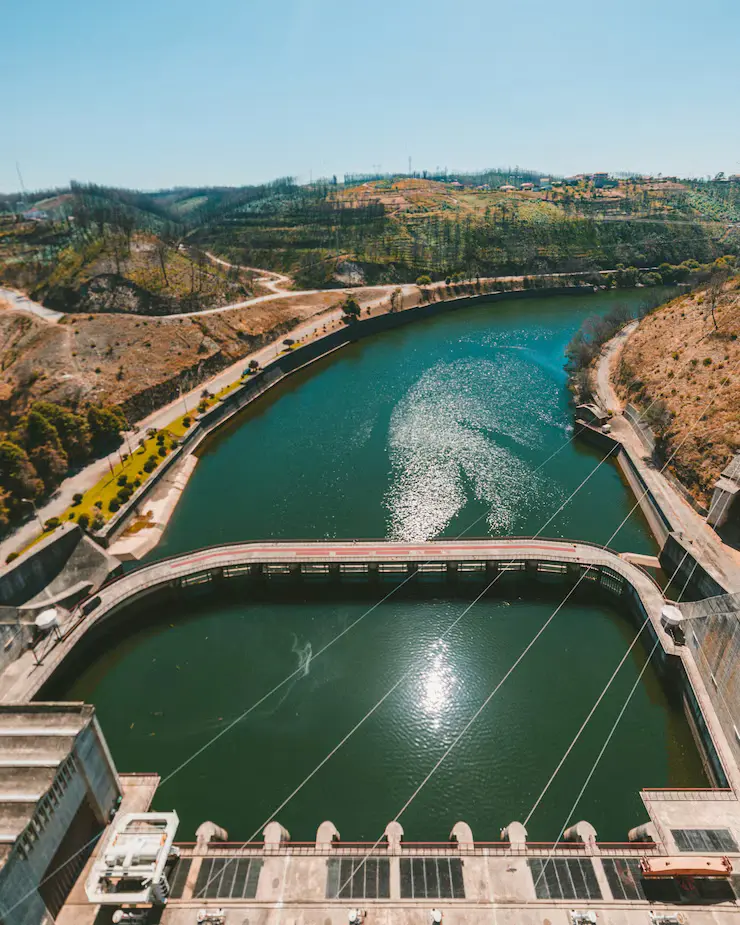
Similarly, large volumes of salt collected after reverse osmosis (RO) earlier were released into coastlines or affected the plants and wildlife. However, countries take initiatives to re-utilize salt to yield useful chemicals. These chemicals include sodium hydroxide (NaOH) or hydrochloric acid (HCI), thereby protecting the environment from further damage.
Conclusion
Desalination plants remove salt and other impurities from seawater and brackish groundwater through distillation or RO, solving the global water crisis. Middle Eastern countries like Saudi Arabia, Kuwait, Oman, and Israel have established desal plants and produce huge volumes of desalinated water for human consumption. Desalination Plant projects are the backbone for their countries to shift their inhabitants' consumption of desalinated water.
Connect with decision-makers of Desalination Plant projects worldwide for business opportunities.
Subsrcibe to Blackridge's Global Desalination Plant Project and Tender Database to access reliable and high-quality insights on upcoming, in-progress, and completed desalination plant projects across the world or in your desired location.
Our user-friendly platform provides essential details, timely updates, key stakeholder contact information, and business opportunities tailored for engineering companies, industry professionals, investors, and government agencies.
Start a free demo to take your business to the next level!

Leave a Comment
We love hearing from our readers and value your feedback. If you have any questions or comments about our content, feel free to leave a comment below.
We read every comment and do our best to respond to them all.